Articles & Advice

Denver Cedar Siding

by Matt Goering

See if We Have Top-Rated
Denver Siding Contractors in Your Area

Top Pros:

Wood or Fiber-Cement Siding Contractors in
Denver, CO

Siding

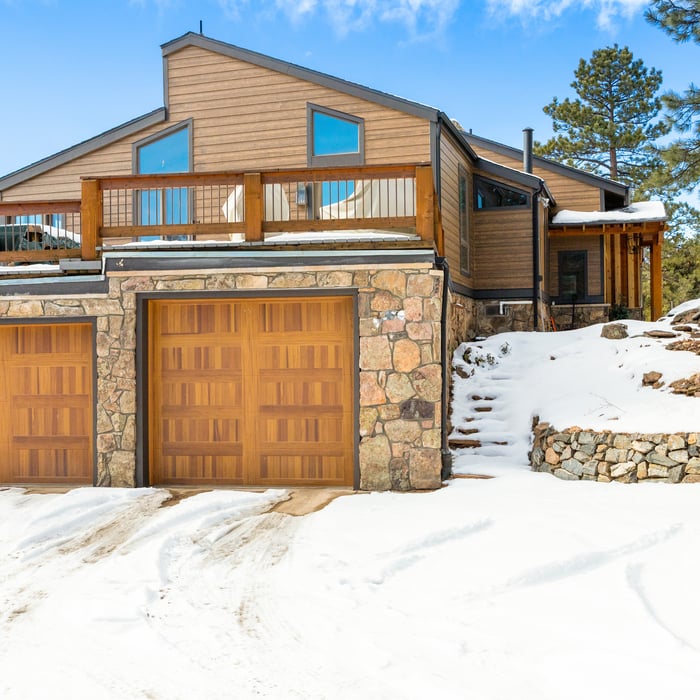
Few siding materials rival the raw beauty that is inherent in cedar siding. Furthermore, it's hard to picture anywhere in the country where cedar siding looks better than when it's sitting in the shadows of the beautiful Rocky Mountains. That's precisely why cedar siding in Denver has such a loyal following, and why there are entire housing developments in the Mile High City where homeowner associations require every home to be clad in cedar siding of one form or another. What most homeowners in Denver don't realize, however, is the wide range of Denver cedar siding styles they have to choose from. Here's a breakdown of the most popular cedar siding styles in metro Denver, and a few other cedar siding facts you should know about if you think cedar might be the right siding for your Denver area home.
Reasons to Buy Cedar Siding in Denver
We've already mentioned how well cedar siding looks with the panoramic backdrop of the Rockies looming in the distance. However, while looks inspire many Denverites to choose cedar siding for their homes, there are more reasons than just appearance to go with cedar for your home's siding. First of all, cedar is naturally resistant to the elements. It won't hold up to Colorado's erratic weather as well as fiber cement or vinyl siding, but compared to other wood siding materials, the natural oils in cedar make it the perfect choice for homeowners longing for the more natural and rustic look that goes hand-in-hand with wood siding. Secondly, cedar is an excellent insulator. When added to a home that's well insulated to start with, cedar siding will actually improve the energy-efficiency of your home. And finally, cedar siding is a recyclable building material. Thanks to its proximity to the stunning beauty of the Rocky Mountains, environmental consciousness and awareness tends to be higher in the Mile High City than in other parts of the country. The fact that cedar is a renewable resource, and that cedar shingles are biodegradable and can be recycled when they need to be replaced, is a big plus for Denver homeowners who think green when it comes to home improvements.
Embrace the Possibilities of Denver Cedar Siding
Despite being one of the more high profile and popular siding materials along the Front Range, few Denverites realize how many choices they have when it comes to picking cedar siding in Denver. Here's a quick breakdown of your options, so that you've already covered all your bases when you talk to your contractor about installation.

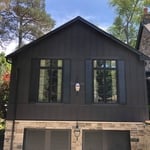
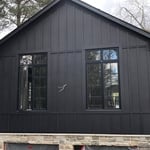
  • Board and Batten Cedar Siding is composed of wide cedar boards laid vertically against your home's exterior, with cedar battens to cover and seal the joints. Typical board and batten cedar siding in Denver uses 1"x10" boards with 1" battens in between.

  • Beveled Cedar Siding is a variation on standard wood plank siding. These cedar planks are sawn so that the exposed edge is slightly thicker than the upper one, creating a stronger shadow line that emphasizes the siding and your home. Beveled siding is laid horizontally, with each plank overlapping the one below. It is the most common cedar siding installed in Denver and across the nation.

    Siding seen better days? We can help! Use this link to

    Install New Siding

  • Tongue and Groove Cedar Siding is milled so that each plank has a tongue that fits into the groove of the plank below. Tongue and groove siding creates a smooth, solid surface that looks great on any home.

  • Lap Cedar Siding consists of horizontally laid cedar planks that are milled so that each plank can overlap the plank below without being raised from the surface of the home. Lap cedar siding makes it possible to create textured surfaces while providing excellent resistance against moisture penetration. On the Front Range, lap cedar siding is often milled to imitate the look of a log home, especially in the foothills and in Denver's surrounding mountain communities.

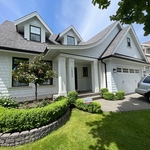
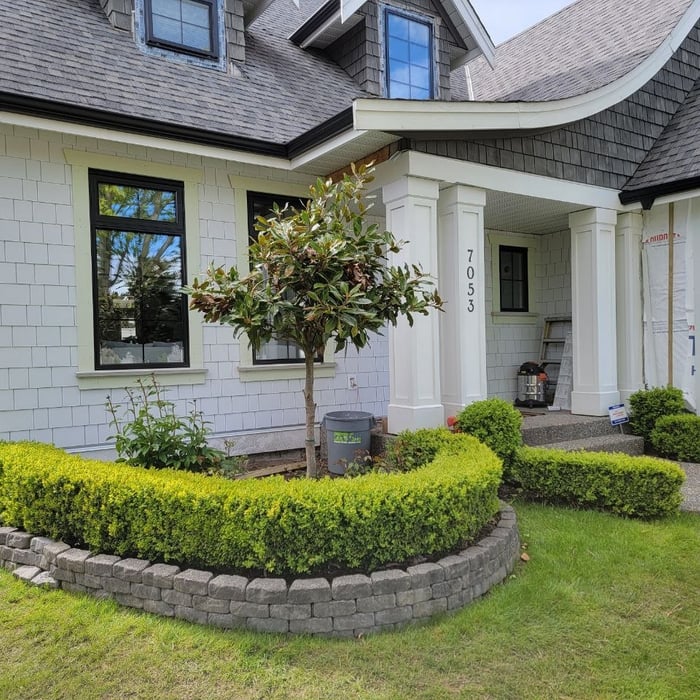
  • Cedar Shake Shingles in Denver are one of the most popular siding choices in the Mile High City. Denver cedar shake shingles set your home apart from other cedar sided homes in a distinctive way, though the installation of cedar shake shingles in Denver is a time extensive job. Because each shingle has to be individually installed, you should plan on Denver cedar shake shingles costing you more in labor than the other cedar siding options mentioned above.

Denver Cedar Siding Maintenance
The one downside of cedar siding is upkeep. Despite being far superior to other wood siding materials when it comes to longevity, cedar will eventually deteriorate and rot if it's not treated against the weather. It can be painted, like traditional wood siding, but more often it's treated with an oil-based water sealant to increase its life expectancy. Doing so accentuates, rather than covers up, the beautiful look of Denver cedar siding. If you have cedar siding, you should have your siding treated once every 5 to 10 years. By following that regimen religiously, your siding will last as long as you own your home. Let it slide, however, and you'll be faced with the necessity of replacing your worn out cedar siding in just a decade or two. Denver Cedar Siding Alternatives
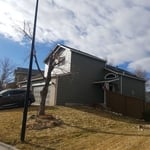
On a side note, technology has advanced to the point where fiber cement siding and vinyl siding can be manufactured to imitate cedar siding, especially cedar shake siding in Denver. These forms of imitation shingles are surprisingly reminiscent of the real deal, and come with the added advantage of almost no maintenance (i.e. they don't have to be treated or painted). The downside: you won't find imitation shingles that resemble cedar in color, only in texture. In other words, if you're looking for that classic, red cedar hue, or the finely weathered gray that characterizes older cedar sided homes, you're better off paying out for the genuine article.

Matt Goering, formerly a carpenter and house painter, is a freelance writer for the home improvement industry who has published over 600 articles.