

Do You Need Even More Thermal Insulation?
See if We Have Top-Rated
Insulation Contractors in Your Area
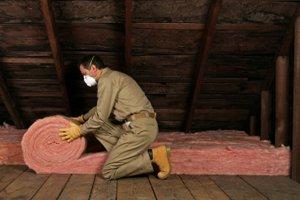
Thermal insulation. Every house needs it. And every house could probably use more of it. So how do you decide if it's a necessity? It's not easy because out of all the repairs and additions a home demands, installing more material into your walls, roof, and attic is probably the least exciting chore you can think of. The more material you have barricading your home, the more efficient your heating system will run, resulting in lower utility bills. However, this material is always hidden away in the house. You never get to see it actually working, and most of all, it isn't cheap. So what do you do? When is it a good time to inspect and invest in this material, and when can it be put off? Here is a quick guide to purchasing thermal insulation that may help in your decision-making.
How much does it cost?
A lot depends on the type of material you're buying (fiberglass, blown-in, etc.) and where it is being installed (attic, walls, ductwork, etc.). The usual price ranges from 35-50 cents per a square foot, so multiply that by the size of the space and you have an estimate of the overall cost. However, you'll need to hire someone to do the installation (especially in the walls), which will add to the final bill. It's always best to shop around first and get some price comparisons before hiring someone.
How much do you need?
You can't see through walls, and even if you could, it's hard to tell if you need more coverage. First, look at an R-value scale, which will tell you the proper amount (in inches) you will need for a given area. This is especially effective for the attic, since you can easily measure it yourself. As for the walls, you may want to get an energy audit from your utility company. These professionals can profile your heat distribution and can help you decide if you need more thermal insulation.
Stay cozy all winter AND save money! Use this link to install
Thermal Insulation
Do you need more?
This is the key question. Once again, a simple energy audit can help you make this decision, but there are also other factors to consider. The size of your home? The age of your house? How much material you currently have right now? When was the last time you supplemented these areas? What type of heating system do you use: HVAC, radiator, boiler? What climate do you live in: cold or tropical? The answers to these questions may help you balance out your decision.
Is it worth it?
Here are some numbers to think about. Say your heating bill is ungodly expensive during the winter, like a few hundred dollars every month. By investing just one-hundred dollars into additional thermal insulation, just one time, you may be able to cut that utility cost by 30-40 percent. This could save you at least $50 each month during the winter. That means, in just four months, you could have saved enough money to cover the initial cost of the addition. Then each month afterwards that $50 saving goes right back into your pocket. And, of course, you don't have to add more material every year, which means that over the course of several winters, you could be saving several hundred dollars from a simple one-time investment.
Plus, your HVAC won't have to run as much, which will help to extend the life of the unit itself. Also, some states have incentive programs where they pay small dividends if you regularly invest in energy efficiency. Look to see if your state participates in these programs: you'll not only save money on future utility bills, but you may also be able to make the government pay for the initial renovation cost. Bonus!
More Tips & Advice For Your Home
- Related Articles
- Recent Articles