

Do Your Dirty Work: Tips on Soil Conservation
See if We Have Top-Rated
Yard & Garden Contractors in Your Area
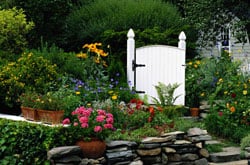
Soil conservation is often seen as an eco-friendly "cause," but much more than just your conscience can be assuaged with sound lawn and soil management. From planning the basic design of your residential landscape to annual lawn maintenance, soil conservation will keep your yard looking beautiful and protect your home's curb appeal and market value. By heeding the following advice and conservation tips, you can save your home time and money while saving the planet, one neighborhood at a time, for the next generation.
Soil Erosion around the Home
While soil erosion is often thought of as an agricultural problem, it can have serious impacts on residential areas as well. Soil erosion is responsible for a large percentage of the pollution found in rivers, lakes, and streams. The most important step for homeowners to prevent soil erosion is to make sure that soil on their property is covered. This includes land that is covered by either a structure or some sort of vegetation. If your lawn is bare or patchy, it is much more likely to be affected by wind or water erosion. When making improvements to a house, there is often a need to keep stockpile of extra soil. This should be covered with a tarp that is weighed down to prevent wind or water from carrying it off. If a creek or stream crosses your property, you can have an even larger impact. Near a stream, plants that are fond of water not only prevent soil erosion (by binding the soil with their roots), but also provide homes and food for local fauna. In dry climates, planting trees can beautify your property and decrease soil erosion by blocking wind.
Soil Conservation and Soil Testing
While land cover may be the most important step, it's also the common one and far from sufficient to maintain the best soil conservation possible for your property. Soil testing is undoubtedly one of the most neglected items of lawn maintenance. Soil contamination from chemical treatments, run-off, and sewage line failures, among others, can limit your soil's natural resistance to erosion. Plus, soil testing serves many functions including how to determine the best composition for your lawn fertilizer and the setup and maintenance of home gardens and shrubs. And you have no excuse not to get your soil tested. For around $800, you can have your soil reliably tested and learn several important items about the condition of your lawn.
Get some professional help! Use this link to
Hire a Landscaper
Soil Conservation and Native Plants
The roots of native flora are designed for that particular soil, and are better at resisting the stresses of that area. Planting native species is a good idea (environmentally and financially) for people looking to accent their landscape. A native plant requires less time to flourish because it is already tuned to the nutrients found in that area's soil. They will require less fertilizer, so there will be less need to change the soil's natural chemical makeup. Native plants should also be able to subsist on natural rainfall, decreasing the amount of overall water consumption needed to keep a property looking alive and green.
Lawn Care Options
Healthy soil is rich in nutrients and free of harmful chemicals. There are a number of small changes homeowners can make to increase soil conservation in their own backyard.
- Start a compost pile—it reduces waste and provides a natural (and free) fertilizer
- Use physical tactics (like pulling weeds by hand) instead of chemicals
- Remove any diseased plants to reduce the risk of that disease spreading
- Restrict watering to times when there is no direct sunlight to decrease evaporation
- Know your enemy—keep a close watch on what is doing the damage and deal with it accordingly
More Tips & Advice For Your Home
- Related Articles
-
- Recent Articles