
Who to call for stone wall repair? Learn why a masonry pro is best, how repairs work, and what labor costs per hour—start your project now
Building a brick wall costs an average of $5,308

Building a brick wall costs between $700 and $18,900 or $5,308 on average.
Brick wall costs depend on factors like the brick type, size, site prep, and labor.
Brick walls enhance spaces like interior accent walls, garden fences, privacy walls, retaining walls, raised garden beds, and structural columns.
Labor can make up to 80% of the total project cost for brick and stone walls.
Hiring a certified mason or bricklayer ensures your wall is structurally sound and enduring.
This article was updated using automation technology and thoroughly reviewed for accuracy by HomeAdvisor Editor Ryan Noonan.
Building a brick wall costs an average of $5,308, with most homeowners spending between $2,210 and $8,533. The cost per square foot is between $10 and $45, or $25 on average. Factors like your location, wall size, and material quality significantly influence the total cost. Proper budgeting is essential, and hiring a professional will ensure your structure is durable and long-lasting.
There are many factors to consider when determining the cost of your brick wall. These are the key cost drivers that will impact its total price.
A brick wall can cost between $10 and $45 per square foot to install, with most homeowners spending an average of $25 per square foot. Concrete block walls usually cost between $10 and $20 per square foot.
Bricks cost between $350 and $850 per 1,000, with most homeowners paying an average of $625 for 1,000.
The type of brick or stone you choose will significantly impact your project's cost. Beyond the material itself, the design's complexity can increase costs due to additional materials and labor fees.
| Material | Average Materials Cost (per Sq. Ft.) |
|---|---|
| Real brick | $3–$8 |
| Brick veneer | $3–$10 |
| Hollow brick | $15–$30 |
In addition to the material you choose, various wall finishes can also affect your total cost. For example:
Stucco finishes cost an average of $8 per square foot.
Painting bricks costs between $2 and $5 per square foot.
The location where you want your brick or stone wall installed will play a role in the project’s final price. If your land is uneven, difficult to navigate, or more complex to work with than most properties, you’ll pay more in labor fees.
When building a solid brick wall, you'll want to hire a professional mason, who charges between $70 and $110 per hour. Since building an interior brick wall is specialized work, hiring a skilled pro ensures the job is done right.
You’ll need a permit to build a brick or stone wall on your property. But the price will depend on its location, type, and size. On average, building permits cost $100 to $500.
When building a wall around your property line, you need to know your land’s exact layout to avoid legal or neighborly trouble. Most homeowners spend $350 to $700 on the cost of land surveyor fees.
Another factor that will impact your project’s cost is the drainage option you choose. Your brick or stone wall needs proper drainage to avoid erosion, flooding, or soil-related issues. Drainage solutions cost between $2,000 and $6,600 to install.
To avoid your wall from collapsing under its weight, you’ll need to install a foundation or concrete footer. The actual price you can expect to pay for footing and foundation depends on the size and weight of your wall. On average, concrete footers can cost $15 to $55 per linear foot.
There are many variations of brick walls you can build, and each has its own features and costs. Here’s a closer look at brick wall costs based on your project type.
A brick fence costs between $15 and $40 per square foot. Certain factors will help you accurately estimate your project’s total cost for building a brick fence, such as design, size, and location.
A garden brick wall built with natural clay costs between $25 and $35 per square foot, while one constructed with concrete blocks costs between $10 and $20 per square foot.
Brick walls are an excellent choice for homeowners who want an attractive fence that can provide privacy for them and their families. The average cost to install a privacy wall is $35 to $45 per square foot or $210 to $360 per linear foot.
Your property might need a retaining wall to support the soil behind it, create level ground where it naturally wasn’t before, help with drainage, or create water features. Brick retaining walls cost between $20 and $25 per square foot. When a retaining wall is over four feet tall, installation requires an engineer.
Interior brick walls are rarely made of real brick but instead are a thin veneer, so interior brick facades cost between $10 and $60 per square foot to install.
The cost of a brick column or pillar is based on the type of column you want to build. Ornamental brick columns cost between $500 and $2,000 each, while structural columns cost between $2,000 and $7,000 or more.
While materials for building a brick wall are relatively inexpensive, labor costs can add up due to the time and effort required. Here are a few ways you can make your brick wall project more budget-friendly without compromising quality, reducing the chances you'll need to pay for brick repairs in the future:
Hire a certified local bricklayer (e.g., Mason Contractors Association of America, American Concrete Institute) to ensure the work is done right the first time.
When determining the size of the brick wall you want, see if you can adjust it to accommodate king or queen-sized bricks, which are larger and require less mortar and labor to build with.
Consider opting for rougher, “antiqued” bricks, which cost less and don’t need to be installed as precisely as regular bricks.
When possible, avoid curved surfaces, which add to the cost of labor and materials.
Building a brick wall is a significant undertaking, and it’s not recommended as a DIY project for several reasons. Professional bricklayers have the proper equipment needed to move heavy materials and avoid injury. They are also knowledgeable about structural integrity and can ensure that your wall is soundly constructed.
When you hire a professional to build your brick wall, they can handle the permitting process for you and ensure that your project complies with local building codes for safety and stability.
No place is more important than your home, which is why HomeAdvisor connects homeowners with local pros to transform their houses into homes they love. To help homeowners prepare for their next project, HomeAdvisor provides readers with accurate cost data and follows strict editorial guidelines. We surveyed thousands of real customers about their project costs to develop the pricing data you see, so you can make the best decisions for you and your home. We pair this data with research from reputable sources, including the U.S. Bureau of Labor Statistics, academic journals, market studies, and interviews with industry experts—all to ensure our prices reflect real-world projects.
From average costs to expert advice, get all the answers you need to get your job done.
Who to call for stone wall repair? Learn why a masonry pro is best, how repairs work, and what labor costs per hour—start your project now

Who to hire to install a block wall? Compare landscapers vs masonry contractors, see average cost, and learn how pros get it done
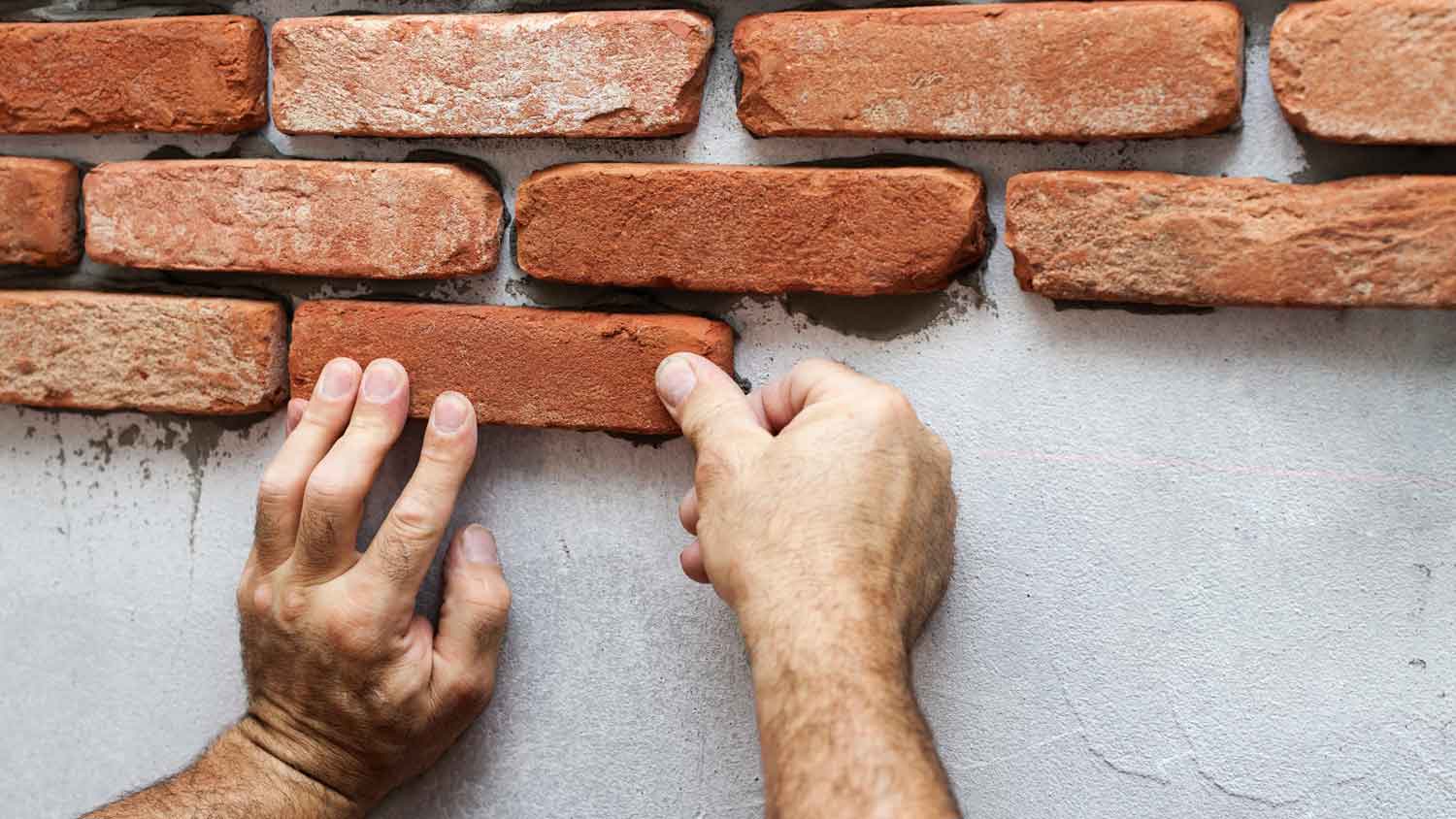
Wondering who repairs brick veneer? Get clear next steps today, and learn who to call, what pros do, and average repair costs.

Learn how different styles, labor rates, project types, and other factors impact total split-face CMU block costs with our detailed guide.

A bluestone patio is a great addition since it can add value and beauty to your home. Read on to learn more about how much a bluestone patio costs to install.

Learn about the different types of standard and specialized bricks and how the cost of bricks affects your project budget with our brick cost guide.