
Budget for composite shingle roof costs based on factors like roof size and pitch, labor, removal and disposal, complexity, and more.
The average cost to install TPO roofing is $10,700
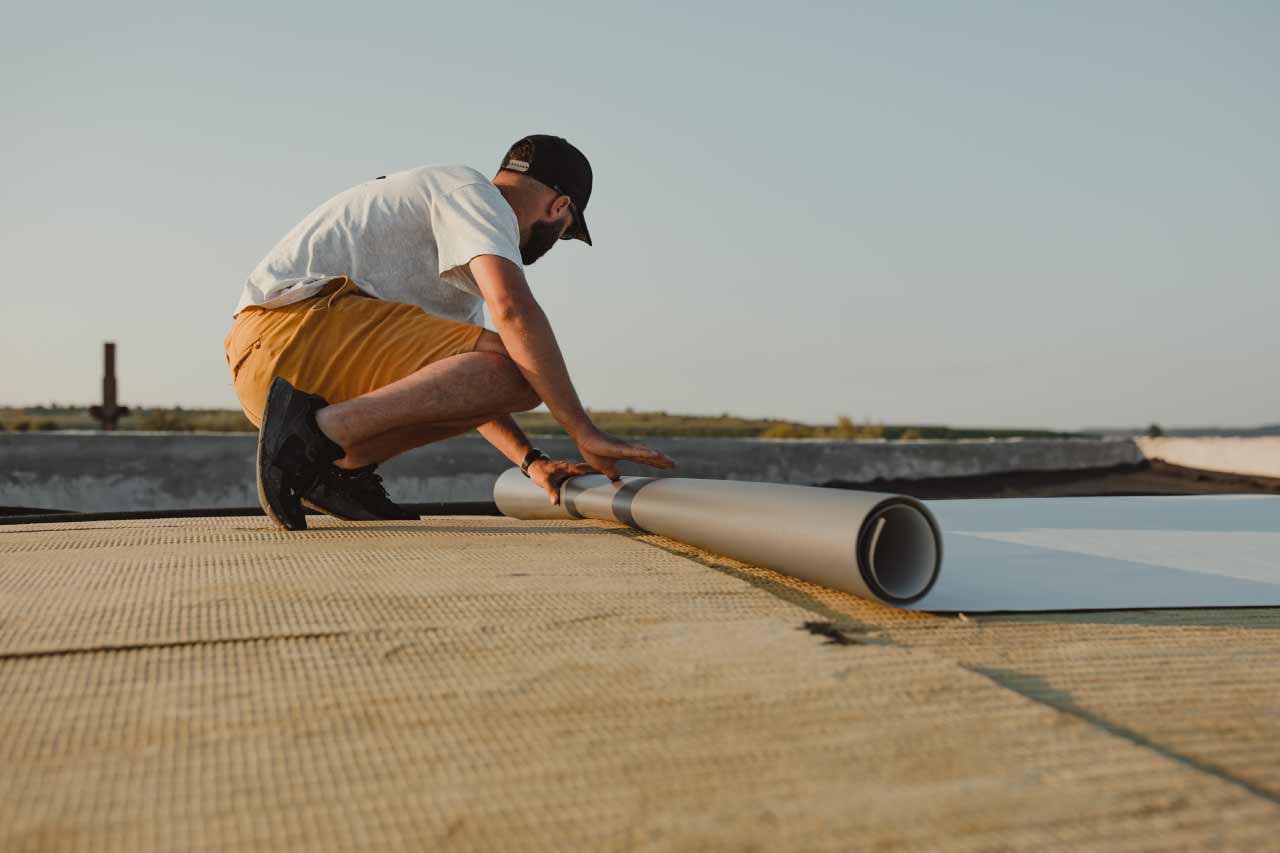
Professional TPO roofing installation costs between $6,500 and $24,000 for your home, with $10,700 as the average total.
Your roof size and the membrane thickness you select will determine the final installation complexity and overall project cost.
Account for insulation costs and roof penetration work when you create your budget, as chimneys and vents add to the total.
Hiring a local roofing professional ensures heat-welded seams meet code and keeps your home watertight and protected from leaks.
This article was updated using automation technology and thoroughly reviewed for accuracy by HomeAdvisor Editor Ryan Noonan.
Expect to spend between $2,000 and $40,000 for a TPO roof, or $4.50 to $16 per square foot. Your final price depends on your location, the size of your roof, and the quality of the membrane you select. Build a realistic budget early, and plan to hire a qualified roofer to keep your home watertight and up to code.
Thermoplastic polyolefin (TPO) roofing is a single-ply membrane made from a blend of polypropylene and ethylene-propylene rubber. Developed in the 1980s as a cost-effective alternative to PVC roofing, TPO comes in thicknesses of 45, 60, and 90 mils (1 mil equals 0.001 inches).
TPO works best on flat or low-sloped roofs and does a great job of kicking heat away from your house. The bright white surface reflects up to 80% of the sun’s rays, helping to keep summertime cooling bills in check.
Just like PVC or EPDM, TPO costs depend on materials and labor, with labor often accounting for the most significant portion of the budget. The factors below outline how various aspects, from roof size to insulation choice, can impact your total cost.
The larger your roof, the higher the cost of TPO roofing will be. Plan on paying between $4.50 and $16 per square foot, depending on the size of your project.
| Roof Size (Sq. Ft.) | Average Cost Range |
|---|---|
| 200 | $2,000–$3,500 |
| 500 | $2,500–$8,500 |
| 1,200 | $5,500–$20,400 |
| 1,500 | $6,750–$24,000 |
| 2,000 | $9,000–$34,000 |
| 3,000 | $14,000–$40,000+ |
Roofers charge $3 to $7 per square foot—or $75 to $120 per hour in some markets—to install TPO roofing. If you live in a high-cost area, expect rates on the upper end. Because labor can eat up as much as 70% of the budget, get at least three quotes before you sign a contract.
Additional labor costs may also arise if access to the roof is challenging and you need to remove the old roof before installing a new TPO roof.
TPO roofing offers several installation methods. You have three ways to attach the membrane, each with its own price tag:
Ballasted attachments cost $1.50 to $2.50 per square foot. Here, the membrane is weighed down by river-washed stones or pavers.
Fastened roofs cost $2 to $3 per square foot. This method uses screws to attach the membrane to the decking or underlayment.
Adhered roofs cost $2.75 to $3.50 per square foot. Roofers use an adhesive to bond the membrane to the decking or underlayment.
Your roofer will add insulation before rolling out the membrane. Depending on the thickness and type, expect to pay between $1.60 and $4.20 per square foot for the cost to install insulation. The table below outlines the most common options and their average pieces.
| Insualtion Type | Average Cost (per Sq. Ft.) |
|---|---|
| Polyisocyanurate (PolyISO) | $1.60–$2.40 |
| Extruded polystyrene (XPS) | $1.60–$2 |
| Fiberboard | $2.50–$15 |
| Expanded polystyrene (EPS) | $3–$4.20 |
TPO membranes are available in 45-mil, 60-mil, and 90-mil thicknesses. The thicker the membrane, the higher the material cost, though lifespan depends more on material quality than thickness.
Every chimney, skylight, or vent your roofer works around adds time and materials to the project. Budget for a $1 to $50 per penetration.
Installing TPO roofing can increase your home value, especially if you have a flat or low-sloped roof. TPO offers enhanced energy efficiency, durability, and minimal maintenance, all of which appeal to prospective buyers. While it doesn’t provide the curb appeal of other materials, its functional benefits are a strong selling point for energy-conscious buyers.
You might save on labor by installing the roof yourself, but it’s not recommended. TPO requires heat-welded seams, specialized tools, and strict code compliance—one mistake can lead to leaks or void your warranty. A licensed local roofer brings the gear, training, and insurance needed to keep both you and your home safe.
Contact a local roofing company today to get a quote for your TPO project.
No place is more important than your home, which is why HomeAdvisor connects homeowners with local pros to transform their houses into homes they love. To help homeowners prepare for their next project, HomeAdvisor provides readers with accurate cost data and follows strict editorial guidelines. After a project is complete, we survey real customers about the costs to develop the pricing data you see, so you can make the best decisions for you and your home. We pair this data with research from reputable sources, including the U.S. Bureau of Labor Statistics, academic journals, market studies, and interviews with industry experts—all to ensure our prices reflect real-world projects.
From average costs to expert advice, get all the answers you need to get your job done.
Budget for composite shingle roof costs based on factors like roof size and pitch, labor, removal and disposal, complexity, and more.

Discover how much a copper roof costs to install based on factors such as size, pitch, current roof condition, and labor rates.

Learn how much you’ll pay to repair an asphalt shingle roof based on the problem at hand, labor requirements, and the design of your roof.

Flat roof replacement costs are based on factors such as roof type, material, potential repairs, labor, and accessibility. See how much you could spend on this project.

Learn how much a metal roof costs to install. Discover how factors like size, pitch, style, coatings, type, and labor rates affect the price.

Budget for metal roof repair costs based on factors such as metal type, the problem you’re having, maintenance, replacement costs, labor, and more.