
Curious about lap pool costs? Learn the average price to install a lap pool, key cost factors, and tips to get the most value from your swim-friendly upgrade.


Installing a lap pool at home offers you the convenience of exercising whenever you like without needing to travel to a gym. It's a great way to stay fit while saving time and money. Plus, lap pools take up less space than traditional pools, use less water and energy, and typically cost less to install and maintain. It's an excellent investment if you value health and convenience.
To install a lap pool in your backyard, you'll need to consider the type of pool you want. For a traditional 40-by-8-foot lap pool, plan for at least 50-by-10 feet to allow room for decking. If you're considering an endless pool, you'll only need about 15-by-8 feet. Don't forget to account for other outdoor features you might have or want, like a swing set, shed, or garden. Planning your space carefully ensures you get the most enjoyment from your backyard.
A 40-foot lap pool is a great size for most homeowners. It provides enough length for a good workout while fitting comfortably in many backyards. Of course, the ideal size for your lap pool depends on your available space and budget. Consider talking with a professional pool builder to determine the best size and design for your needs.
Lap pools can be a worthwhile investment if you plan to use them regularly for exercise. If you enjoy swimming laps but prefer the convenience of staying at home, a lap pool might be perfect for you.
Keep in mind that lap pools are longer than average pools, typically around 40 feet, so you'll need adequate space in your backyard. While adding a lap pool can increase your home's value by about 7%, factors like the materials used and maintenance can affect the ROI. Also, potential buyers with young children or those wanting a traditional pool might not find a lap pool as appealing.
Fall is the best time to buy a lap pool. During this season, pool installation companies often offer special deals and savings to fill their schedules as business slows down. By purchasing your lap pool in the fall, you can take advantage of lower costs and ensure quality installation before the next swimming season.
To maintain your lap pool, regularly check the water level and add or drain water as needed. Test and balance the chemical levels to keep the water safe and clean. Inspect the tiles and surfaces for any damage, and promptly remove debris with a skimmer. Regularly vacuum the pool and clean the filter to ensure everything runs smoothly and your water stays crystal clear.
From average costs to expert advice, get all the answers you need to get your job done.
Curious about lap pool costs? Learn the average price to install a lap pool, key cost factors, and tips to get the most value from your swim-friendly upgrade.
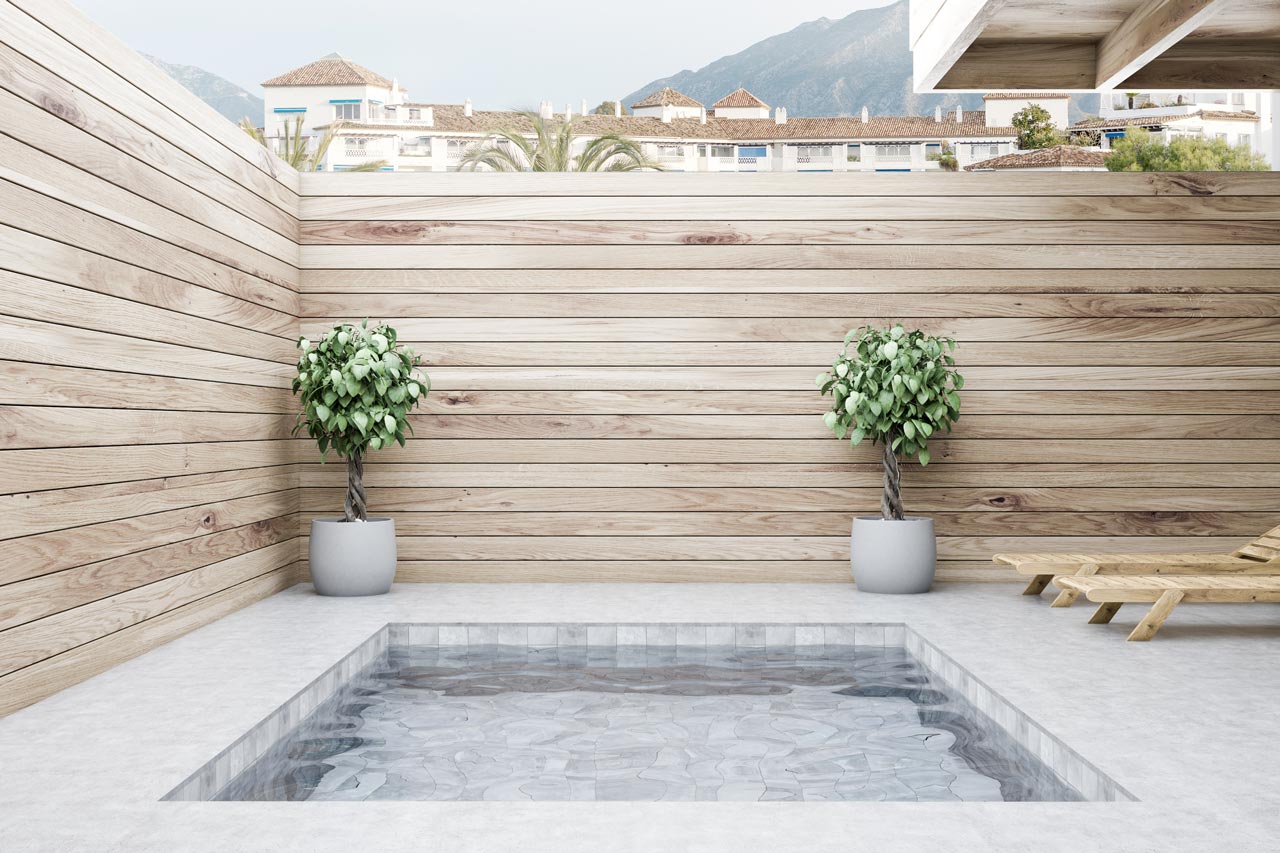
Explore how much it costs to install a plunge pool based on factors like size, materials, tiling, location, labor, and permits.

It’s time to kick back and cool down for the summer. If you’re ready to make a splash, check out how much an in-ground pool costs with this guide.
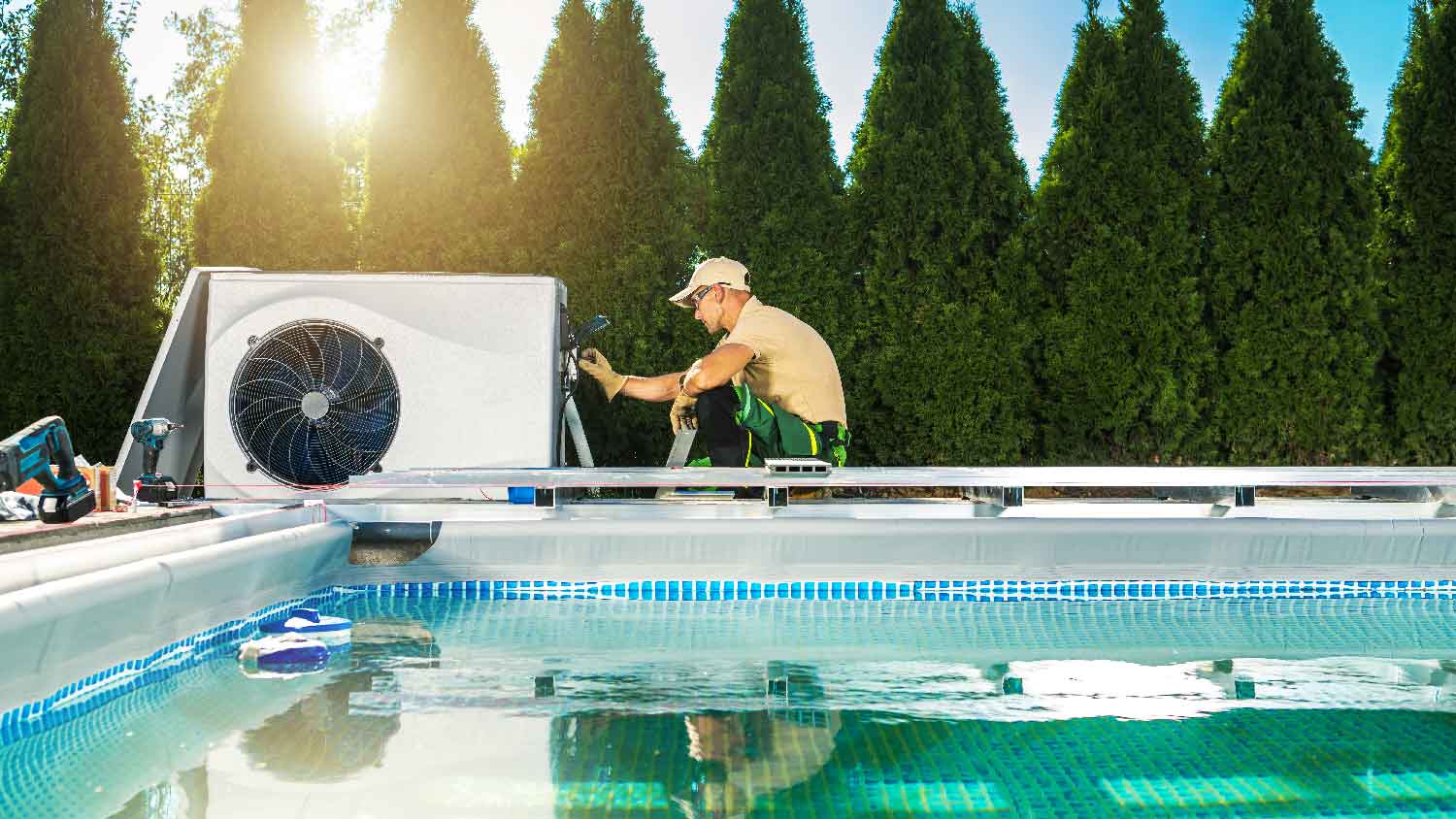
Need to know who to call to fix a pool heater? See why a pool electrician is best for safe, code‑compliant pool heater repair—find a pro today.
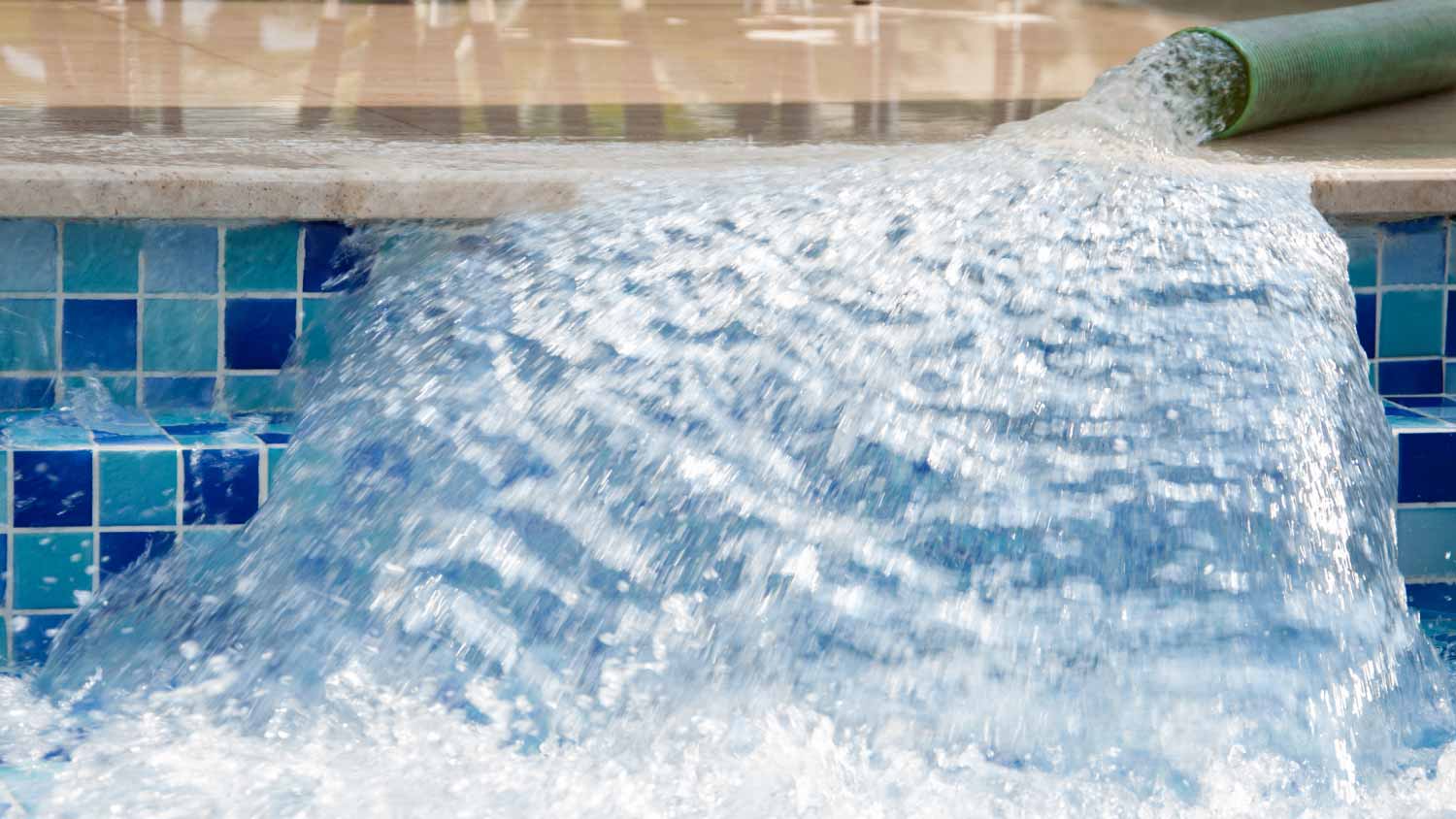
Who can I call to fill my pool with water? Compare pool water delivery vs. other options, see costs, and learn how pros get it done.

Find who to hire to level the ground for a pool, compare installers vs. landscapers, review steps and costs, and plan with confidence.