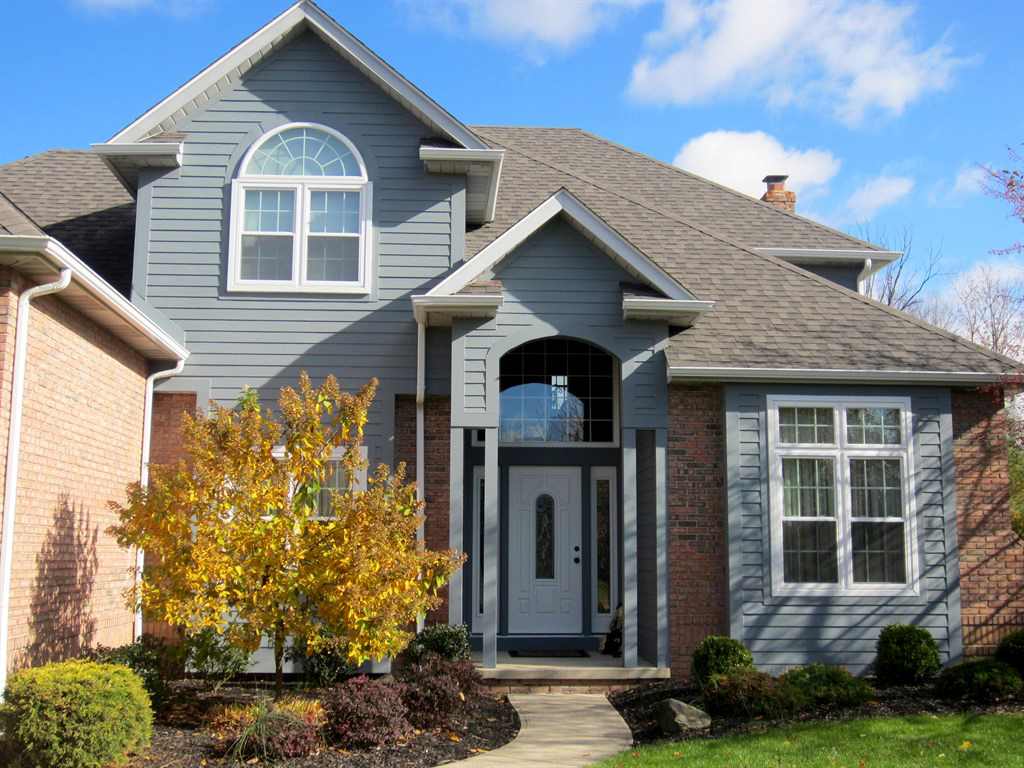
Who do I hire to build a house? Learn which pros to call, compare costs, and find expert tips for hiring the best contractor for your home.


The affordability of wood species varies by region and availability. Eastern white pine represents the most economical option for many areas, while Douglas fir offers a mid-range alternative with excellent strength characteristics. Oak and other hardwoods command premium prices, but they also provide superior durability. Your choice should balance initial cost against long-term performance needs and the structural requirements of your specific design.
Timber frame homes require the same basic building permits as conventional construction, but may need additional engineering documentation. Some jurisdictions require structural calculations and stamped drawings, particularly for designs with large open spans or unusual load distributions. Local building departments might have specific requirements for timber connections and fire resistance ratings. Consulting with officials early in your planning process helps avoid costly surprises.
The construction timeline for a timber frame home ranges from six months to over a year, depending on the project's complexity and size. The frame preparation phase, during which timbers are cut and test-fitted in a workshop, can take several weeks to several months. The actual frame raising can occur relatively quickly—often in just a few days—but finishing work follows a similar timeline to conventional construction. Weather conditions and contractor availability also affect scheduling.
Larger timber members actually offer inherent fire resistance advantages over smaller dimensional lumber. Massive beams char on their exterior while maintaining their structural integrity at their core, potentially giving occupants more time to evacuate during a fire. This contrasts with thinner framing members that can fail more quickly when exposed to flames. However, comprehensive fire safety depends on multiple factors, including insulation materials, interior finishes, and properly designed electrical systems.
Timber frame construction adapts well to diverse climate conditions when proper design considerations are taken into account. In cold regions, the structure pairs excellently with high-performance insulation systems. For humid environments, selecting, treating, and managing moisture in wood becomes critical. Coastal areas may require special design considerations for wind resistance and salt exposure. Working with designers familiar with your specific climate ensures the selection of appropriate materials and construction details for long-term performance.
From average costs to expert advice, get all the answers you need to get your job done.
Who do I hire to build a house? Learn which pros to call, compare costs, and find expert tips for hiring the best contractor for your home.