
Budget for the cost to add a second story based on factors such as size, foundation work, materials, labor, permits, post-construction cleaning, and more.
A structural engineer or a qualified contractor should remove load-bearing walls

Removing a load-bearing wall alters how your home carries weight, so hire a qualified pro with structural engineering knowledge to protect structural stability and safety throughout the project.
Expect to spend $1,000 to $10,000 for removal. Multi-story homes increase costs upwards of $3,000 due to added complexity, supports, and inspections.
The final price is driven by wall size and number of walls, rerouting wires or pipes, and added beams or temporary supports required by the plan.
Permits and municipal inspections are often required. Get at least three quotes to compare scope, safety plans, and what each pro includes.
This article was created using automation technology and thoroughly fact-checked and edited by HomeAdvisor Editor Ryan Noonan.
If you’re planning to remove a load-bearing wall, know that these walls support your home’s structure. A structural engineer should evaluate and guide the plan, and a contractor with structural engineering knowledge should complete the work and secure permits. Always verify experience, licensing, insurance, bonding, and references to find a qualified pro to handle the job.
Hiring a structural engineer ensures safe, code-compliant planning and removal. They assess structural integrity and specify the supports your home needs, including beams and temporary walls. Their guidance reduces the risk of structural compromise and helps streamline permitting and inspections. You gain a clear engineering plan that contractors can price and follow with confidence.
Here are some of the top benefits of hiring a structural engineer for the job:
Evaluates your home’s structural stability before any demolition begins
Determines if beams or other permanent supports are required for safety
Plans temporary support walls when needed to protect the structure
Identifies rerouting needs for wires or pipes discovered in the wall
Helps you follow permit and inspection requirements during the project
Provides expertise for multi-story load-bearing wall removal
Offers a clear pricing scope when comparing multiple quotes
Brings specialized structural engineering knowledge to the plan
Considers the size of the wall to inform support design
Accounts for the number of walls to be removed in the project
A licensed general contractor with experience removing load-bearing walls and structural engineering knowledge can perform the work. The contractor should acquire the required permits and manage on-site safety and inspections. If the contractor lacks specific experience, your home’s structural integrity can be compromised, so verify qualifications.
Get multiple estimates and confirm experience with rerouting utilities and installing supports. For non-load-bearing walls, a general contractor or handyman is appropriate. Load-bearing removal requires advanced expertise. If you’re not sure where to start, you might want to consider a general contractor near you to ensure the job is done safely and up to code.
Pros follow a structured wall removal process to keep your home safe:
Draft the layout and define which walls are removed
Have a structural engineer assess the wall and plan supports
The contractor acquires the required permits and schedules inspections
Set temporary support walls if needed for safety
Reroute any wires or pipes discovered in the wall
Remove the wall per the engineered plan and install supports or beams
Complete inspections and finalize adjacent spaces
Removing a load-bearing wall costs $1,000 to $10,000. The total price varies by the size and number of walls you remove. Costs can exceed $3,000 in multi-story homes due to additional support and complexity. Rerouting wires or pipes and adding beams or temporary supports increases the total. Get at least three quotes from structural engineers to compare pricing models and the included scope of work.
From average costs to expert advice, get all the answers you need to get your job done.
Budget for the cost to add a second story based on factors such as size, foundation work, materials, labor, permits, post-construction cleaning, and more.

Planning a home addition? Discover what to expect during the process, including design choices, permits, construction timelines, and key factors that impact your project’s success.
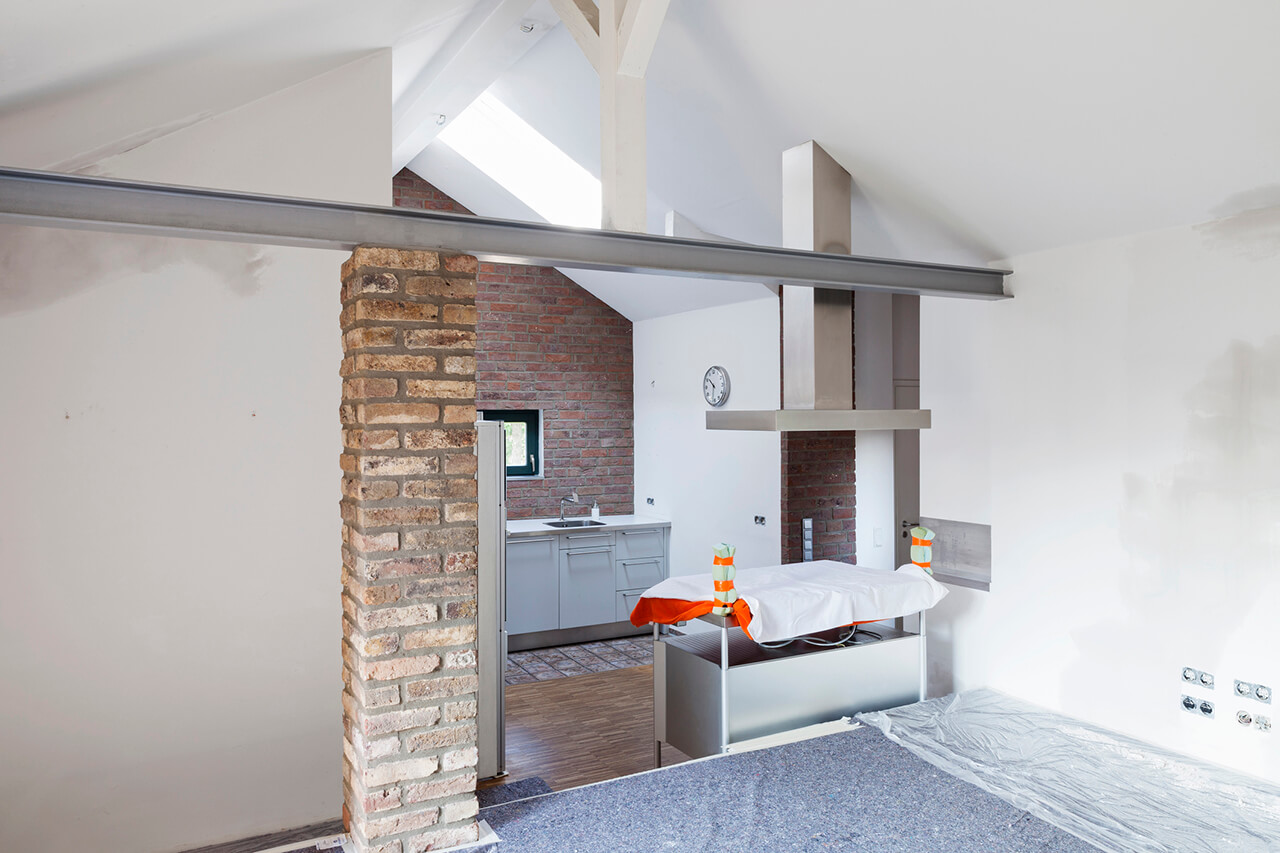
Use this guide to budget for beam installation costs based on factors such as beam type, size, materials, labor, and more.

Wondering who installs home elevators? Learn why a licensed elevator company handles home elevator installation safely and correctly.

Wondering who inspects home foundations? Learn when to call a structural engineer vs. a home inspector and what each pro checks.

Learn who checks load-bearing walls, what professionals to hire, and cost details—learn how to ensure your home’s structural safety.