Cost to Insulate Garage
It’ll cost $0.50 to $1.25 per square foot to insulate a garage. A professional installation may double that price, which doesn’t include the garage door. The total price ranges from $1,500 to $8,000 depending on the materials you choose and the size of the space.
Attached garages only need the outside walls insulated, not anything connected to the main home. Insulating a garage door with rigid foam or batts costs about $200 to $300 for a 9-foot-tall door.
Floor and Crawl Space Insulation Cost
Crawl space insulation costs $1 to $5 per square foot, depending on the type of material used. You’ll usually spend $500 to $1,500. You can either insulate the ceiling of the crawlspace (the interior floor) or the walls around the sides.
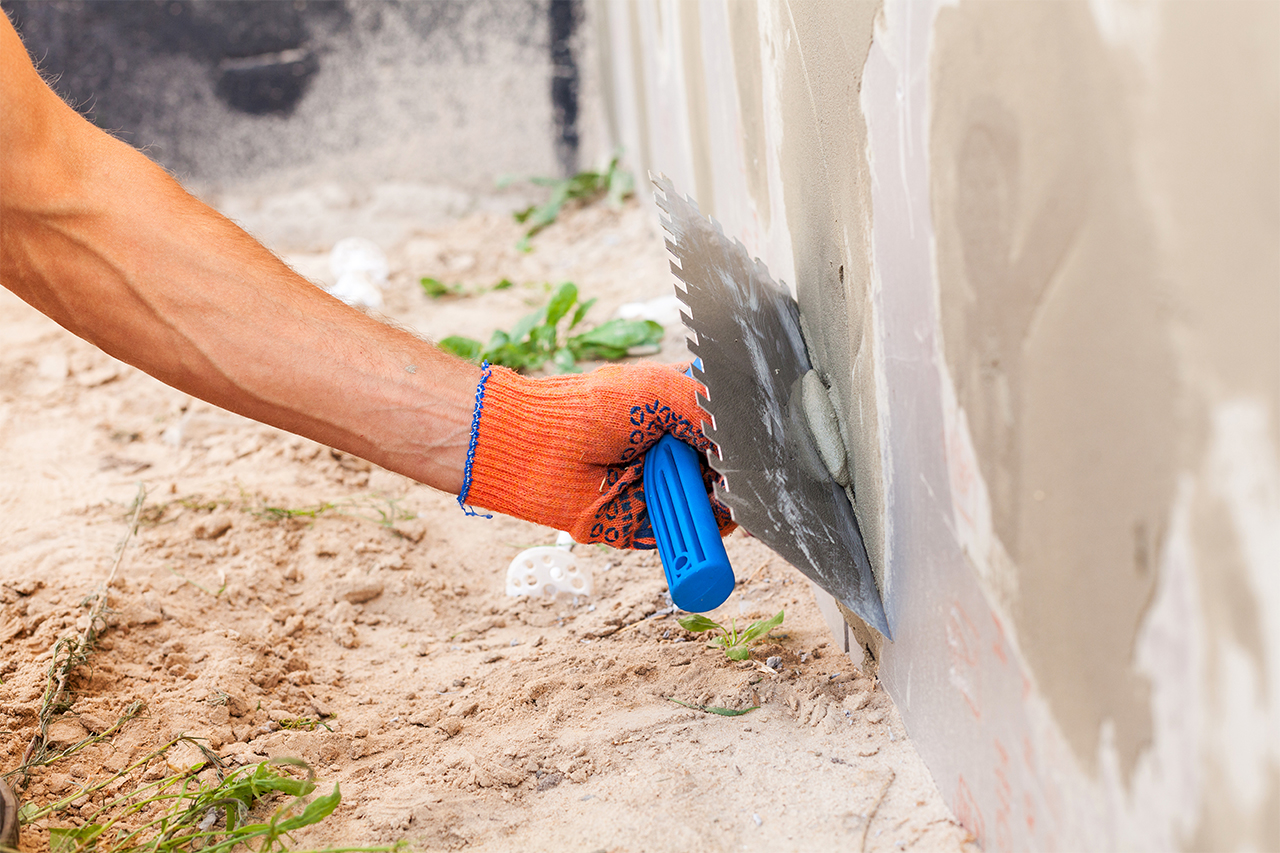
The most common materials include fiberglass, rigid board and spray foam. For new construction, consider using insulated concrete forms which cost $150 to $160 per square foot, but that cost includes the poured concrete wall.
Cost to Insulate Basement
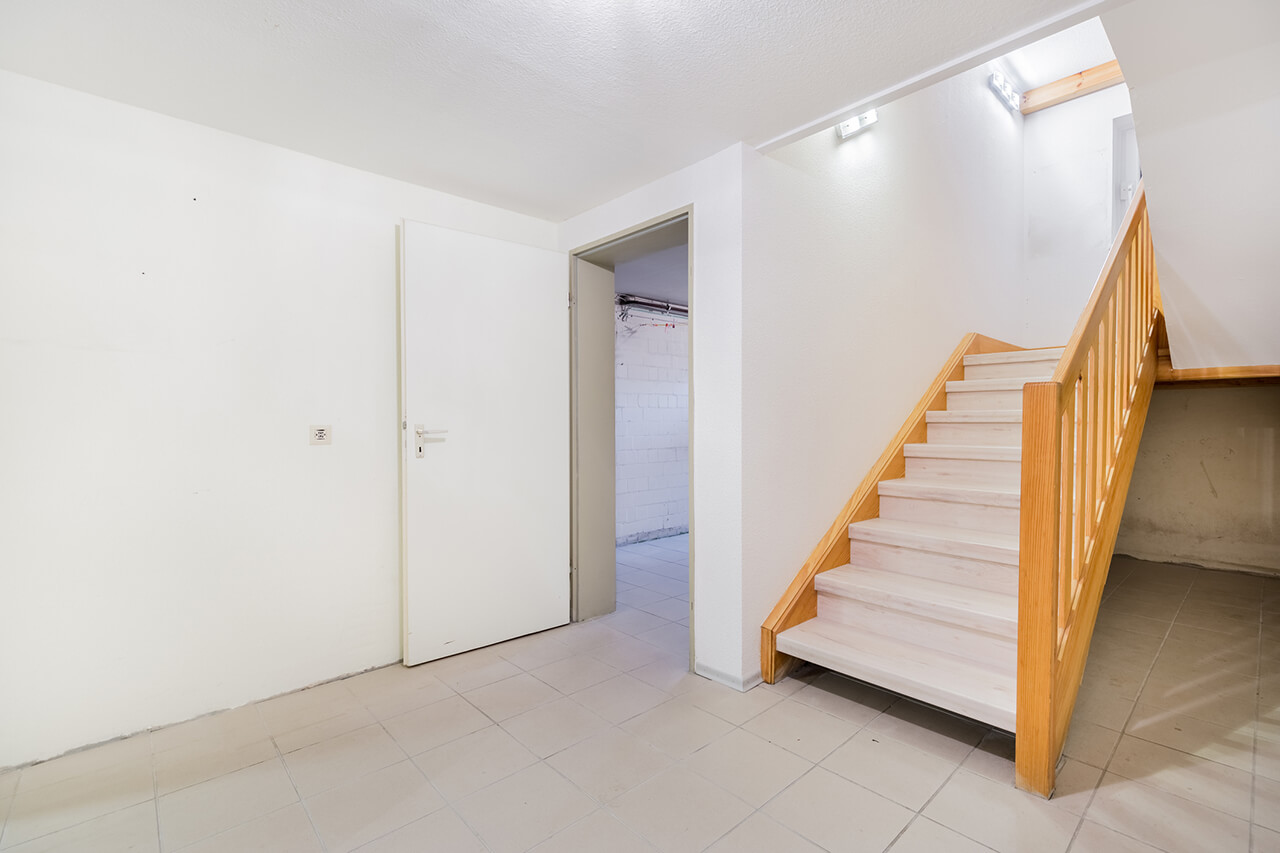
Insulating a basement costs $1.50 to $2.50 per square foot. Most basements don’t need nearly as much insulation as upper floors since the surrounding earth helps to keep the space warm in the winter and cool in the summer.
Attic Insulation
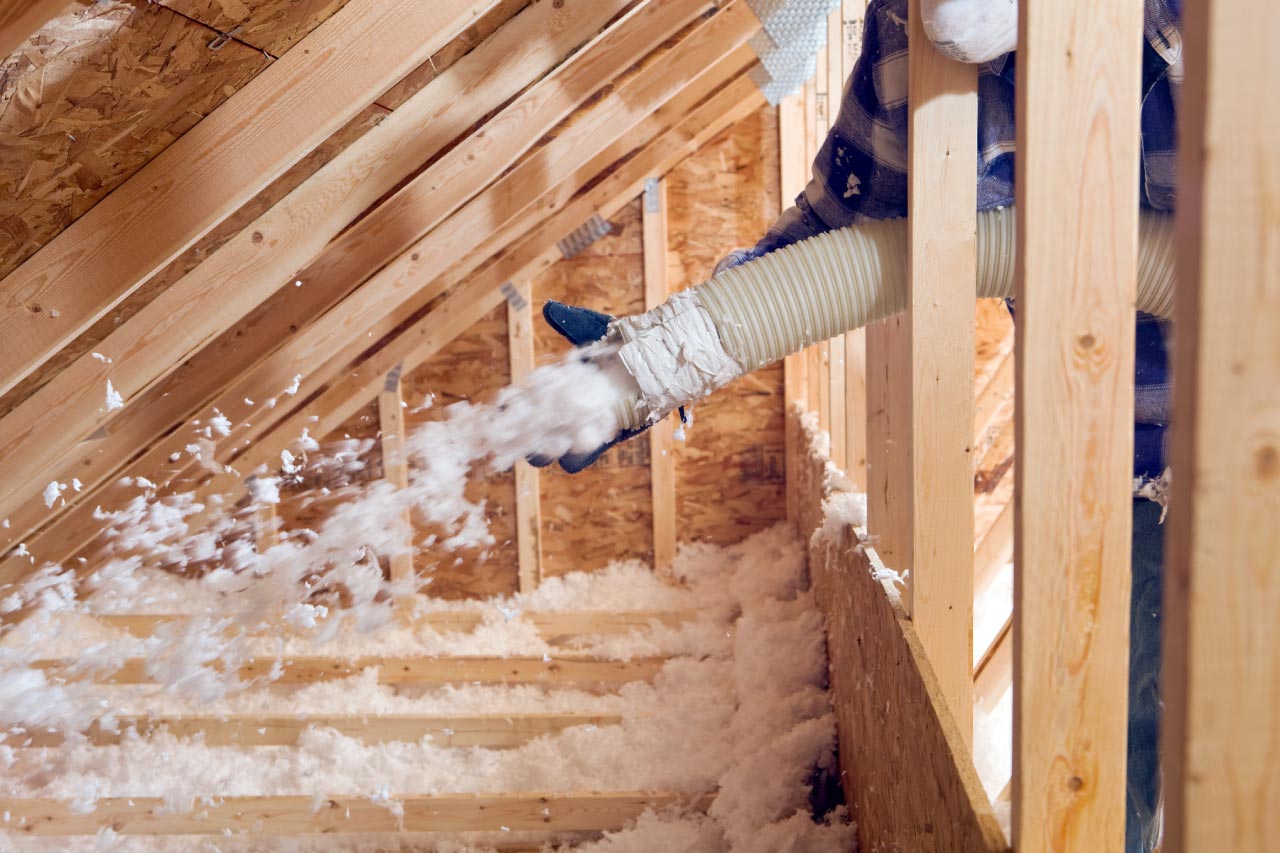
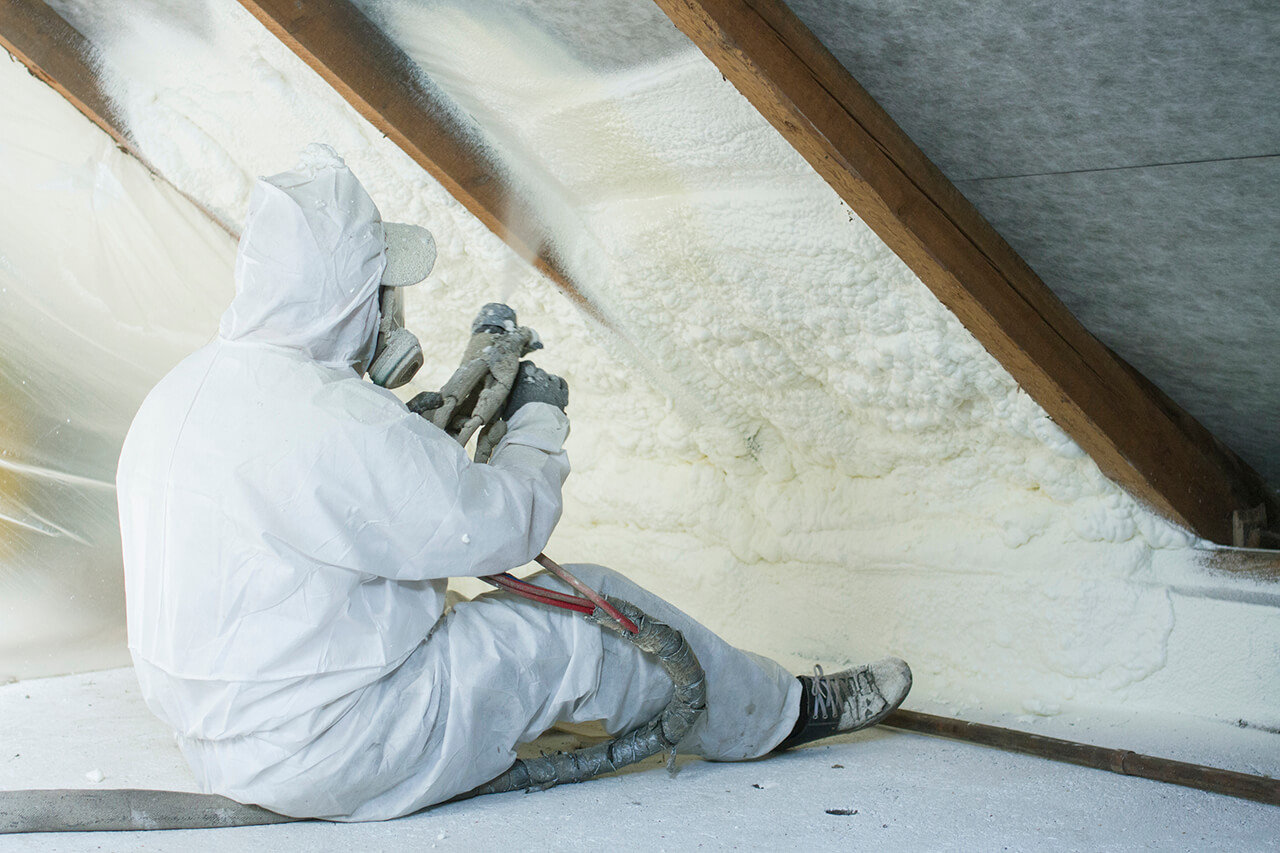
Insulating an attic costs $1,500 to $6,000, depending on the materials you use. More commonly, spray foam gets laid first, then covered with batts or blown in. Since heat rises, it’s one of the most important parts of your home to insulate. Most homes have at least twice as much insulation in the attic as they do in the walls.
Roof Insulation
Insulating your roof costs anywhere from $1,500 to $4,500 or more. This creates a conditioned space that you can then convert into a living space. Most attic conversions cost $40,000 and you can often bundle the price in with new roofing.
You can insulate a roof during or after construction. During new construction, a pro can put layers of rigid foam board on the sheathing but beneath the shingles. You can also have spray foam or batting placed inside the attic along the rafters.
Wall Insulation Cost
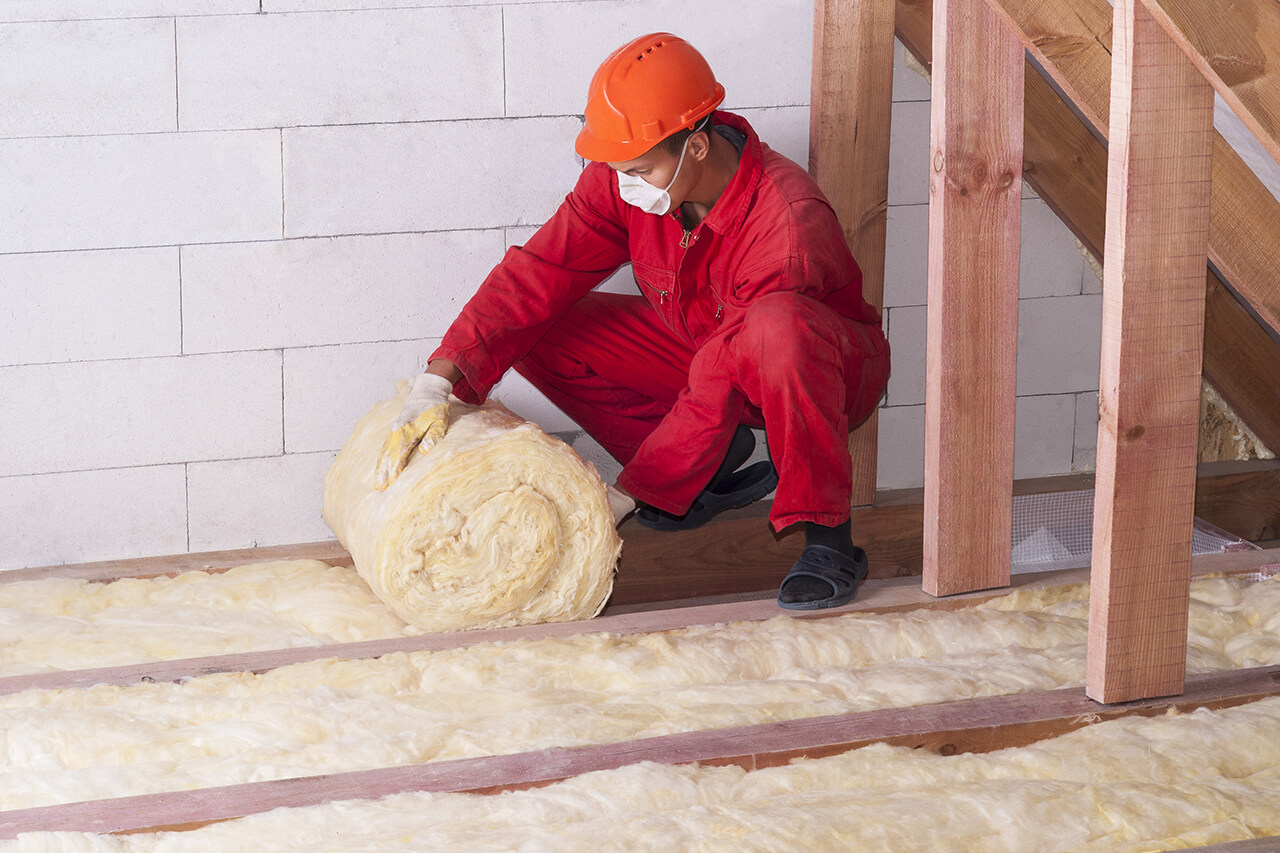
Wall insulation costs $1 to $4 per square foot. Most batting—both mineral wool and fiberglass—costs $1 to $1.50 per square foot to install. Some new construction homes use rigid, reflective, spray foam or a combination of all of them, which might run $3 to $4 per square foot.
You can also build a home’s walls using insulated concrete forms, where rigid foam works as the concrete form, which remains in place after construction.
Pole Barn Insulation Cost
You’ll pay $1 to $4 per square foot to insulate a pole barn. Professionals recommend either fiberglass batting with a thick polypropylene sheet covering it or spray foam. Spray foam, while more expensive, does a better job of stopping air leaks. To keep prices down, you can do a thinner layer of spray foam covered with fiberglass batting.
Cost to Insulate a Mobile Home
Insulating a mobile home costs $0.25 to $1 per square foot for fiberglass batting but can hit up to $3 per square foot when using thicker materials and with professional installation.
Insulation Replacement Cost
Replacing insulation costs $2 to $7 per square foot for most blown in and fiberglass. Spray foam insulation isn’t completely removable, while rigid foam boards are usually the easiest to take out of your home.
Once removed, a professional patches and seals up the area and fills it in with whatever type you choose. Over time, most insulation loses some of its R-value.
Insulation Removal Cost
Removing insulation costs $1 to $1.50 per square foot, not including any disposal fees. Removing batts takes less time than other types since it’s only set in place. Blown-in attic insulation removal may use either a large vacuum or manual removal using large bags.
Labor Cost to Install Insulation
Labor to install most insulation runs $0.25 to $0.50 per square foot. However, it depends on the type you’re putting in. For example, spray foam takes more prep and experience to correctly install versus something like batt insulation, which goes in quickly with almost no experience necessary.
DIY vs. Hire Insulation Contractor
Most insulation projects are DIY friendly, with the only drawbacks being time and mess. For the best DIY solutions, try fiberglass roll and batting or rigid foam boards.
However, you’ll want to carefully install the products to fill all cracks without compressing any of the fiberglass. The value of the insulation comes from its ability to create air pockets between the fibers; once compressed, they lose a lot of their insulation properties. You’ll also want to wear proper protective gear, including a dust mask, goggles, gloves and full-coverage clothing.
If you prefer to have anything spray foamed or want to make sure you get all the R-value you can out of the project, you’ll always get your best results from a local insulation contractor. You’ll also want to consult a pro for any blown-in attic jobs and roof work, as those require specialized skills and equipment.
FAQs
What does R-value mean?
Basically, it represents how well the insulation slows down the transfer of heat. The higher the R-value, the better the insulation, the slower you lose heat in the winter or gain heat in the summer. R-value usually degrades over time by up to half.
What rebates or savings are available for insulating your home?
You can often find both local and federal rebates for insulation. Find an insulation professional to discuss what rebates are available in your area.