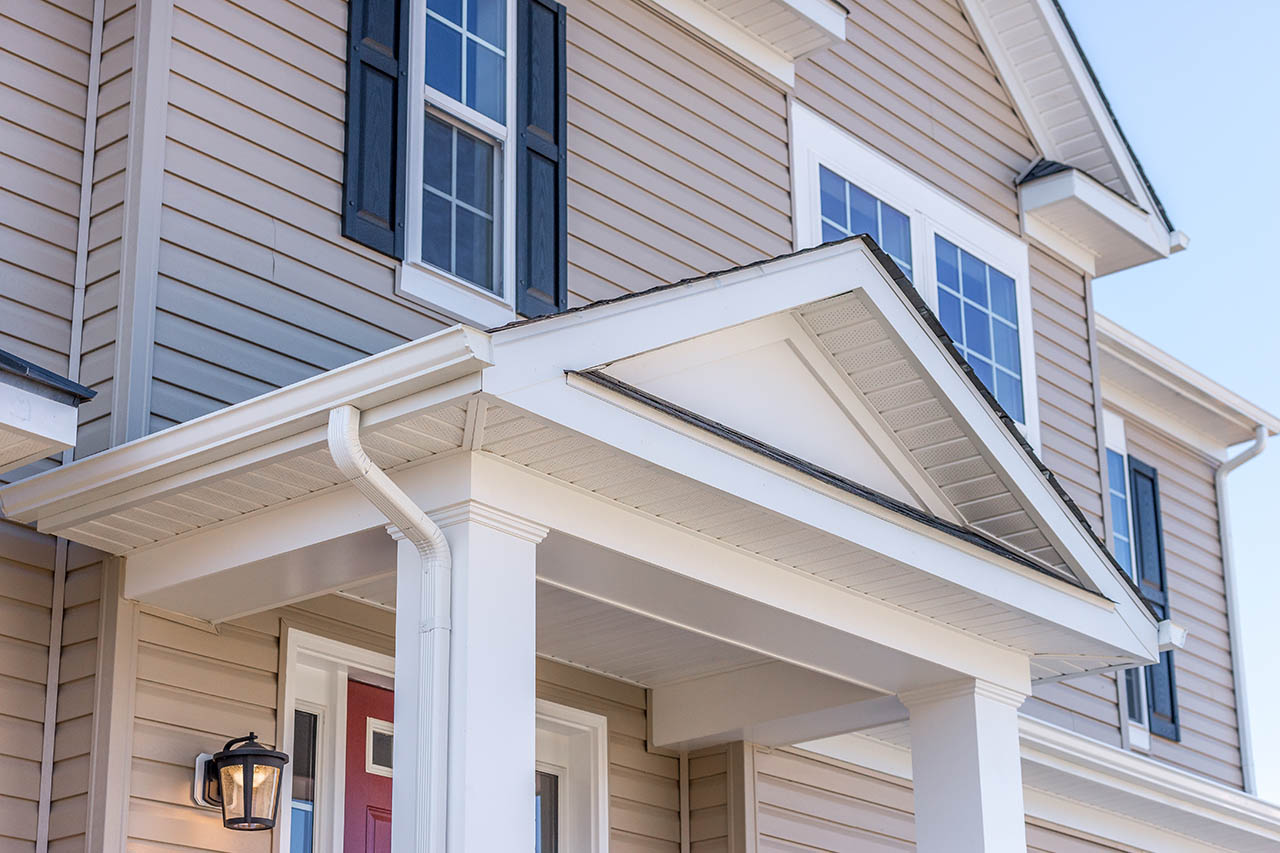
*These prices are for a typical single-family home that ranges from 1,500 to 2,500 square feet.
Engineered Wood Siding Cost
Engineered wood typically costs between $3,000 and $5,000. It's typically a more affordable option than the alternative – wood siding costs between $7,000 and $23,000 to install.
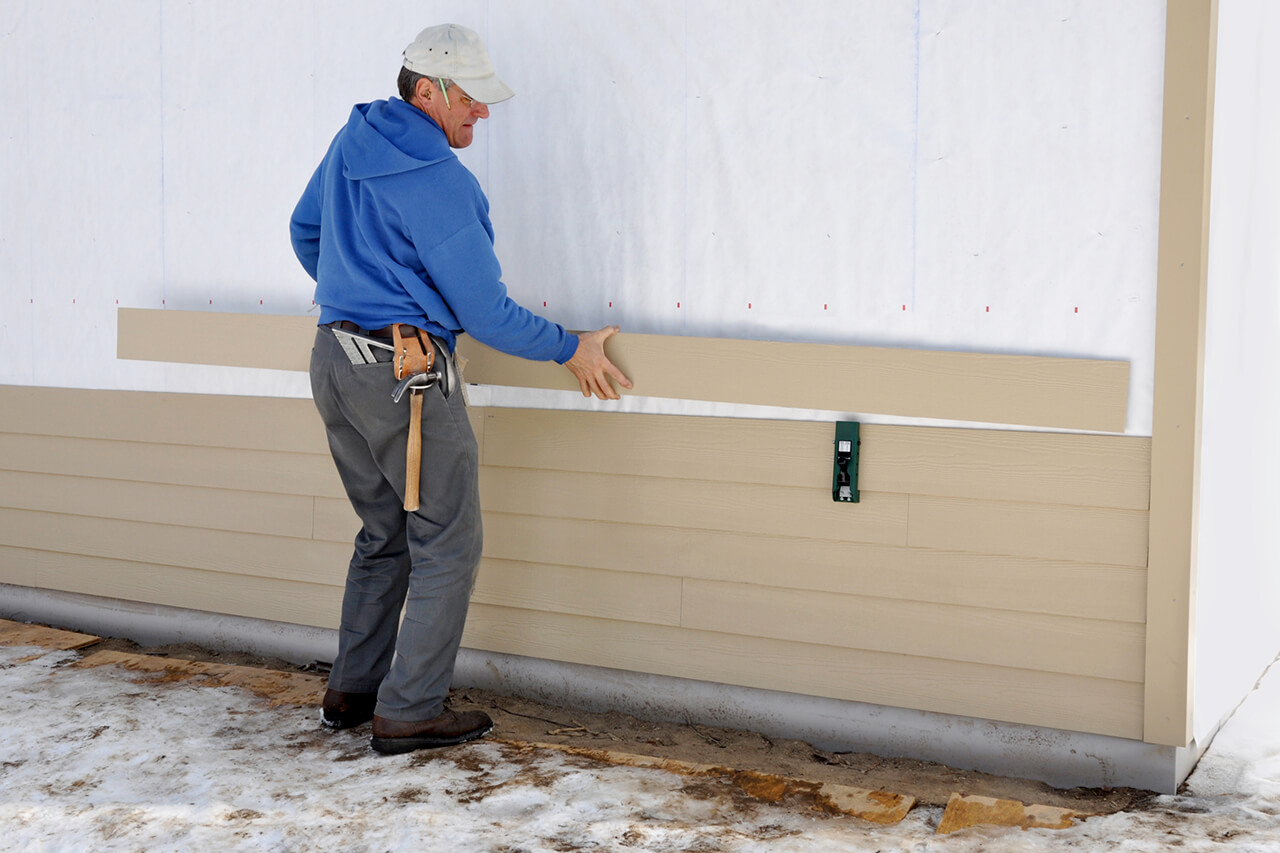
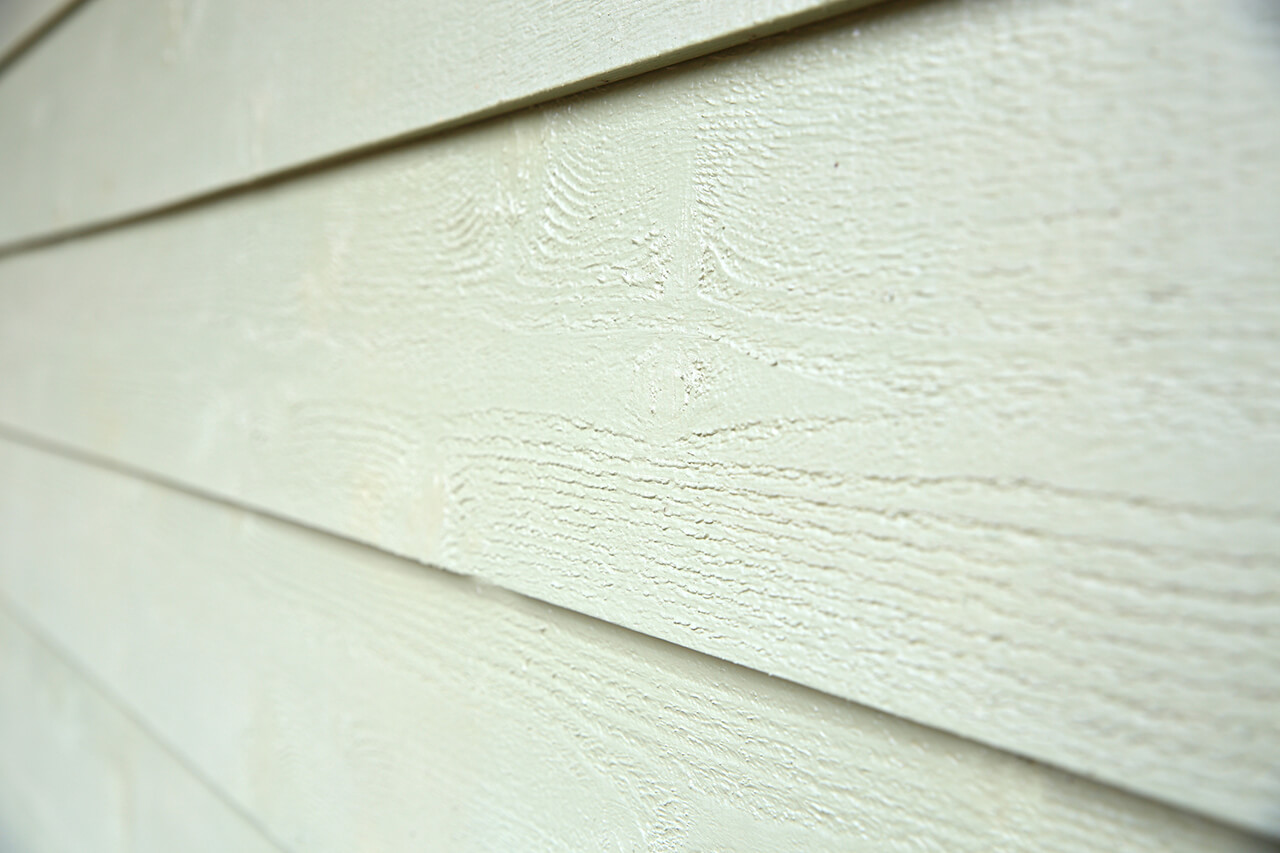
Engineered wood is made up of plywood or hardwood sheets that contain bits of wood bonded together with resins, then treated with insecticide and fungicide. It often comes pre-primed and ready to paint or already finished in a style that mimics the look of real wood. Engineered wood is lighter and easier to install than traditional wood, making it a popular choice for DIY projects.
Advantages
Disadvantages
Maintenance
After installing engineered wood, you only to wash it once a year with a power washer. You might also want to budget for repainting every 5 to 10 years. The chemical compounds in engineered wood help withstand mold, rot, and prevent insects.
Vinyl Siding Estimate
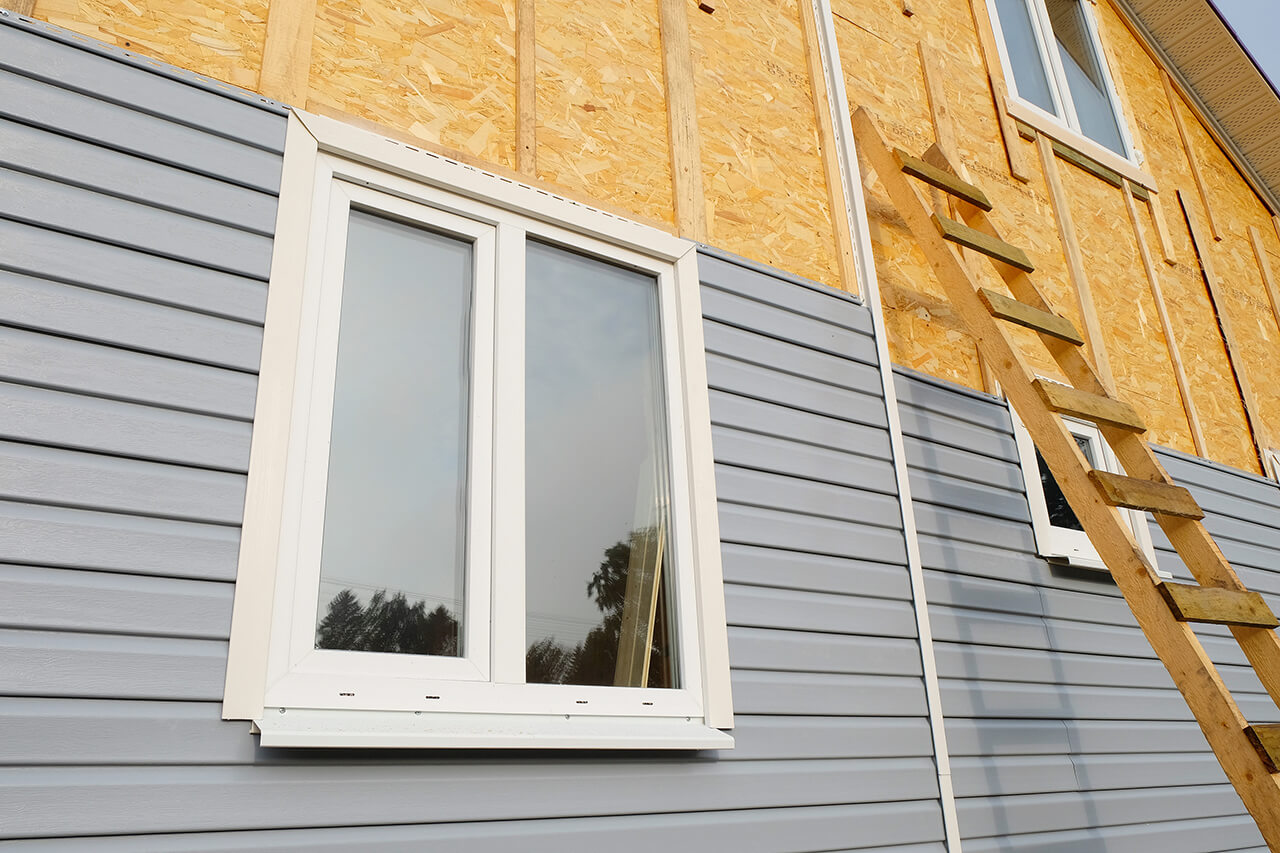
Vinyl siding costs between $6,100 and $16,500. It's a popular project due to its low cost and durability. Unlike other materials, you don’t need to repaint vinyl and is not susceptible to rot or insect damage. Here are some average prices for different qualities and types of vinyl from Lowe's:
Advantages
Disadvantages
Vulnerable to high winds.
Not waterproof: may lead to mold, rot, and infestation.
Vulnerable: Extreme weather and high temps can lead to dents and cracks.
Maintenance
Some vinyl manufacturers recommend using a pressure washer once a year, while others advise against using pressure. Check with your manufacturer's instructions before using a pressure washer since it can cause permanent damage. You can rent a pressure washer from Home Depot starting at about $40 per day, or hire a pressure washing professional to do it for $100 to $200, making vinyl maintenance relatively inexpensive.
You can also use an easy DIY cleaning solution on vinyl throughout the year. The combination of 70% water and 30% white vinegar makes a great all-purpose cleaner that removes light mold and mildew stains. Use a soft brush to clean siding and avoid using anything harsh such as steel wool or other highly-abrasive scrubbers. Be sure to cover all vegetation around the house, as white vinegar will damage and/or kill many types of plants.
Aluminum Siding
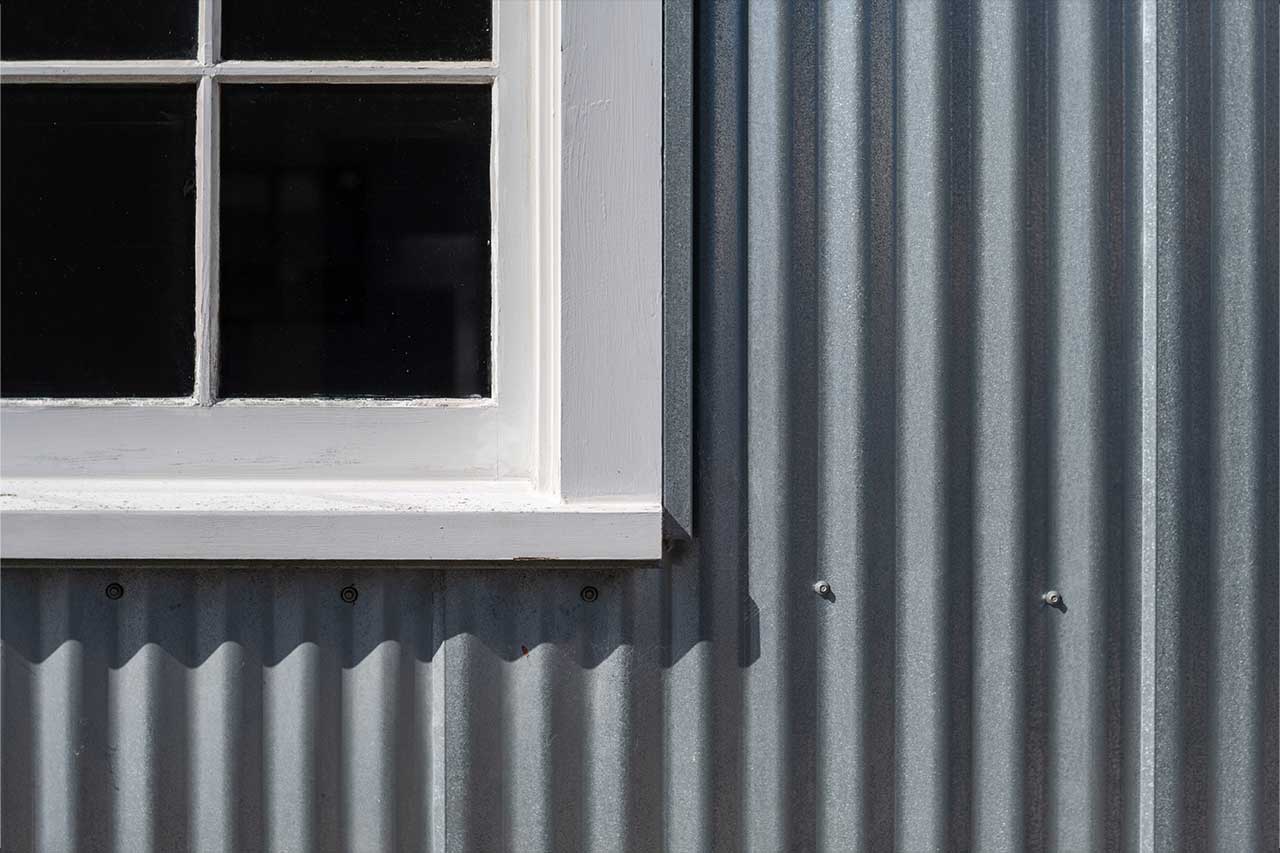
Aluminum siding costs between $10,000 and $19,000, or about $14,500 on average. It's the most common type of metal siding and is a good fit for homeowners in areas with extreme cold because it offers superior insulation from the outside elements. It’s also waterproof, so it’s a great option for coastal homes.
Advantages
Light-weight material: makes for easy installation.
Insulates houses: save on heating and cooling costs.
Completely waterproof: doesn’t swell, rot, or encourage mildew growth.
Resistant: Insect-proof, fire-resistant and won’t rust.
Recyclable.
Disadvantages
Noisy: will make a "ping" sound when exposed to extreme heat, storms, and high winds.
Not as attractive: colors fade over time.
Damages easily: Prone to scratches and dents.
Can be difficult to match new pieces to existing ones.
Exposure to elements leads aluminum to lose its color and/or to gain a chalky color.
Wood Siding
Wood siding typically costs between $7,000 and $23,000, depending on the size of your project. Some popular options include pine, spruce, cypress, and Douglas fir. These woods are economical and durable. Cedar and redwood are also great options since they naturally contain rot resistance. However, they are more costly than other wood options. The added upfront cost, though, could save you money down the road by preventing termite and other insect damage along with water damage.
No matter which type of wood siding you choose, it will give your home a classic look at a reasonable cost.
Advantages
Easy: install and customization is simple, with plenty of options to choose from.
Aesthetic appeal: Wood siding gives homes a classic look and feel.
Simple maintenance: Not difficult to replace damaged siding, often as a DIY project.
Eco-friendly.
Disadvantages
Needs routine upkeep: maintenance important to keep wood from rotting, warping, cracking, and/or splitting.
Must repaint every 3-5 years.
Vulnerable: watch out for moisture, rot and insect damage
Expensive.
Maintenance
Unlike vinyl and aluminum siding, wood siding requires some additional maintenance. Along with washing siding annually using soap and water, wood siding needs to be treated every four to six years depending on the amount of snow and sun it gets. This may require restaining and/or repainting. It is important to keep on top of wood maintenance to prevent rotting, mold, and insect damage. A complete refinishing job, including clear finishes, semi-transparent stains, and repainting will cost $2,000 to $5,000 total.
Fiber Cement or James Hardie Siding
The cost of Hardie board siding usually ranges from $6,100 to $20,500, while the cost of fiber cement siding is $6,000 to $20,000. Fiber cement is a mixture of materials that includes sand and fibers made from cardboard, and James Hardie is the leading brand. This type, also known as Hardie Board, has been around for decades and is a low-cost, durable option. It is available at national retailers such as Lowe's and Home Depot, or you can visit their website to request a brochure and quote for your area.
Advantages
Resistant: tough against rot, insect damage and weather.
Durable: non-flammable and simple to paint and repaint.
Looks like wood without the disadvantages of wood. siding
Disadvantages
Costly installation due to increased manpower and time needed
Will need to be repainted before the siding lifespan is over
Heavy and difficult to replace
Maintenance
James Hardie Fiber Cement is touted as a low-maintenance option for a wood-like appearance. You should clean it annually. JamesHardie.com also offers a variety of maintenance products for your specific siding. In addition, any dents, chips, cracks, and other minor surface damage in James Hardie siding and trim products can be filled with a cementitious patching compound.
Always be sure to treat the underlying problem before you repair the siding such as cracks or peeling in the wall. Otherwise the problem may crop up again later. Repair methods vary depending on the type you have, but most are fairly simple to fix. Nailing loose sheathing, replacing rotted elements and patching any holes or gaps will help in long-time maintenance. Always refer to your manufacturer's specific guidelines when it comes to maintenance and repair to avoid further damage.
Alternative Siding Cost Comparison
Comparing siding materials is an important component of your project. Here's a look at siding options you've never considered or maybe aren't sure about.
Brick siding costs about $18,000 but can run as little as $10,000 or up to $75,000 . Homeowners enjoy its aesthetic and durability. It requires little to no maintenance, but easily heats up, so it may not be the best choice if you live in a hot climate.
Stone veneer siding costs approximately $105,000. There are many similarities between this material and brick, and stone can last a lot longer than most other types of siding. While it's durable, it's also heavy and expensive. It's important that it's installed correctly to avoid issues like cracking and collapse.
Log siding costs an average of $14,000. People enjoy the look of full logs without the extra labor of a full log cabin, and the right material can raise your property value. On the downside, this option needs regular treatment and maintenance to protect from water, insect and mold damage.
Cost of Siding Materials vs. Labor
The cost to side a house usually ranges from $5,400 to $15,500. Materials usually run $1 to $12 per square foot, including 10% for waste and fasteners. Labor usually costs $1 to $4 per square foot, depending on where you live and the difficulty of the installation.
DIY Siding Costs vs. Hiring a Pro
Siding your home yourself will save you anywhere between $1 to $4 per square foot. While it is possible to do this, there are substantial risks in taking on a siding project without professional help. Certain siding, like vinyl, contracts in different temperatures, which you'll have to factor in when cutting. Other materials, like stone, can actually collapse if not done correctly.
Reach out to at least three siding contractors near you to get project estimates and make sure you've found the right pro for the job. You can also learn more about how to find, hire and work with contractors.
FAQs
What is the most cost-effective exterior siding?
The most cost-effective exterior siding is either wood or aluminum, which both cost between $2 and $5 per square foot. However, this is in the short-term. You may find that depending on factors like the size of your house, and the climate you live in, other types may save you more money in the long run.
What does garage siding cost?
Homeowners usually pay between $1,500 and $9,500 to side a 20 by 20-foot garage. You'll pay approximately 25% less for an attached garage.
How much does siding cost for a 2,000 vs. 1,000 square foot house?
Vinyl siding costs about $3,200 for a 2,000 square foot house, or $1,600 for a 1,000 square foot house. This cost doesn’t include labor, but vinyl is a popular DIY material. Here’s a look at what materials only cost based on home size.