
Use this guide to budget for home solar battery costs based on factors such as system size, battery type, professional installation, storage, and more.
The average solar panel removal costs $5,000 for a complete system
Most solar panel removals cost between $3,000 and $12,500.
The average homeowner spends $5,000 for complete removal of a residential solar system.
Per-panel removal costs range from $200 to $500, making system size one of the most significant factors in determining price.
Hiring qualified professionals ensures proper disconnection from your electrical system and prevents damage to your roof during the removal process.
This article was created using automation technology and thoroughly fact-checked and edited by HomeAdvisor Editor Ryan Noonan.
When planning to remove your solar energy system, expect to pay between $200 and $17,000, with the average homeowner spending $5,000. Individual panel removal costs range from $200 to $500 per panel, which means your total expense largely depends on the number of panels you have installed. Other factors that determine your total cost include labor rates, roof accessibility, permit requirements, and the condition of your system. Understanding these costs and hiring a professional solar panel remover helps you prepare for this specialized service.
Several factors influence your final bill when removing solar panels. Requesting multiple estimates from qualified professionals helps ensure you receive a fair price for your specific situation.
The quantity of panels in your system is the most significant cost determinant. More panels require additional time, labor, and equipment to remove safely. Some companies have a minimum fee of $3,000 for smaller systems.
| Total Panels | Average Removal Cost |
|---|---|
| 6–10 | $1,200–$5,000 |
| 11–20 | $2,200–$10,000 |
| 21–30 | $4,200–$15,000 |
| 31+ | $6,200+ |
Professional solar panel removal services charge between $50 and $200 per hour. Rates vary based on the technician's expertise and qualifications. Complicated roof structures or difficult access points may extend the project duration.
The design and accessibility of your roof significantly impact removal costs. Steeper roofs require additional safety equipment and precautions. Multi-story homes or roofs with limited access points present more challenges for technicians.
Older solar panel systems may have weathered mounting hardware that's more difficult to dismantle. Additionally, outdated technology might take longer to uninstall properly, increasing labor time and costs.
The type of mounting hardware used to secure your panels affects the complexity of removal. Removing mounting hardware costs $30 to $50 per panel, while new mounting hardware, if needed, runs about $40 to $60 per panel. Ground-mounted systems are the most straightforward to remove, with ballasted or racking systems becoming more complex, and roof-penetrating panels being the most complicated.
If your system connects to the main power grid, you'll need to pay $400 to $600 for proper disconnection. This specialized electrical work requires a licensed professional to ensure safety and compliance with relevant codes and regulations.
Tree branches that block access to your panels may need to be removed. Tree removal costs between $150 and $850 per branch. The price varies based on size and accessibility, with higher costs for branches that require specialized equipment, such as cranes.
Leased solar panel systems have different removal terms compared to owned systems. If you're ending a lease early, you may incur termination fees as outlined in your contract. Owned systems give you more flexibility but place the full financial responsibility on you.
Some insurance policies or warranties may cover the costs of solar panel removal under specific circumstances, such as storm damage. Review your documentation carefully before scheduling removal to understand potential coverage.
Most jurisdictions require permits for the removal of solar panels, especially when electrical work is involved. These permits cost between $150 and $1,000, with residential permits at the lower end of this range.
If you're relocating your panels to a new home or selling them, transportation costs range from $50 to $400. Longer distances will increase these expenses accordingly.
The base price for solar panel removal doesn't always include related expenses. Discussing all potential costs upfront helps avoid unexpected charges.
Damaged panels may require repairs costing $250 to $1,550 before reinstallation. Panels can sustain damage during removal or may have pre-existing issues that need addressing.
If you plan to reinstall your panels after roof work, budget $2,000 to $2,500 for the service. This costs $50 to $100 per panel, and you may need new mounting hardware, depending on the condition of your roof.
Minor roof repairs after panel removal cost $400 to $2,000, while complete roof replacement ranges from $5,800 to $13,200. Addressing roofing issues before reinstalling panels prevents future complications.
Upgrading to a more efficient solar energy system costs between $18,400 and $36,400. Larger systems or premium panel types can push this price even higher. The table below outlines standard system upgrades you may require and their average costs.
| Additional Service | Average Cost |
|---|---|
| Panel repairs | $250–$1,550 |
| Panel reinstallation | $2,000–$2,500 |
| Minor roof repairs | $400–$2,000 |
| Full roof replacement | $5,800–$13,200 |
| Solar energy system upgrade | $18,400–$36,400 |
Solar panel removal is not recommended as a DIY project due to the significant safety hazards associated with it. Working at height on your roof, combined with complex electrical components, creates serious risks. Professional solar panel contractors near you will have proper training, equipment, and insurance to handle the job safely. Additionally, improper removal can void warranties and potentially damage both your panels and roof.
To keep your solar panel removal project within budget, consider the following tips:
Combine removal with roof work to minimize duplicated labor.
Get multiple quotes from verified professionals to compare rates.
Sell your used panels if they're still functional to recover some of your costs.
Complete basic clearing tasks yourself to reduce contractor time.
Insist on a thorough, itemized quote to spot any surprise fees.
Several situations may necessitate the removal of solar panels. The most common reason is for roof repairs or replacement, as solar panels often outlast roofing materials. Other reasons include moving to a new home, upgrading to more efficient technology, resolving persistent system issues, or terminating a lease agreement. Whenever possible, coordinate panel removal with other home projects to minimize costs and expenses.
The expenses related to your solar energy system don't necessarily end with removal. Consider these potential ongoing costs in your planning.
If you're storing panels for future use, you'll need to keep them in a protected environment to prevent damage. Proper storage helps maintain their functionality for later reinstallation.
Removing your solar panels means returning to conventional electricity, which will increase your utility bills. Your energy costs will revert to pre-solar rates without the offset previously provided by your panels.
After panel removal, you might need additional electrical work to ensure your home's power system functions properly. Address any roof penetrations promptly to prevent water damage and more extensive repairs later.
Inform your insurance company about the removal of your solar panels, as this may affect your home insurance policy. Your coverage needs will change once the system is no longer installed on your property.
No place is more important than your home, which is why HomeAdvisor connects homeowners with local pros to transform their houses into homes they love. To help homeowners prepare for their next project, HomeAdvisor provides readers with accurate cost data and follows strict editorial guidelines. After a project is complete, we survey real customers about the costs to develop the pricing data you see, so you can make the best decisions for you and your home. We pair this data with research from reputable sources, including the U.S. Bureau of Labor Statistics, academic journals, market studies, and interviews with industry experts—all to ensure our prices reflect real-world projects.
From average costs to expert advice, get all the answers you need to get your job done.
Use this guide to budget for home solar battery costs based on factors such as system size, battery type, professional installation, storage, and more.

Budget for solar panel repair costs based on factors such as system type, panel size, accessibility, repair type, labor, parts, inspections, and more.

Wondering who repairs solar panels? Learn who to call—solar technicians, installers, or electricians—and when to DIY. See costs and smart next steps.
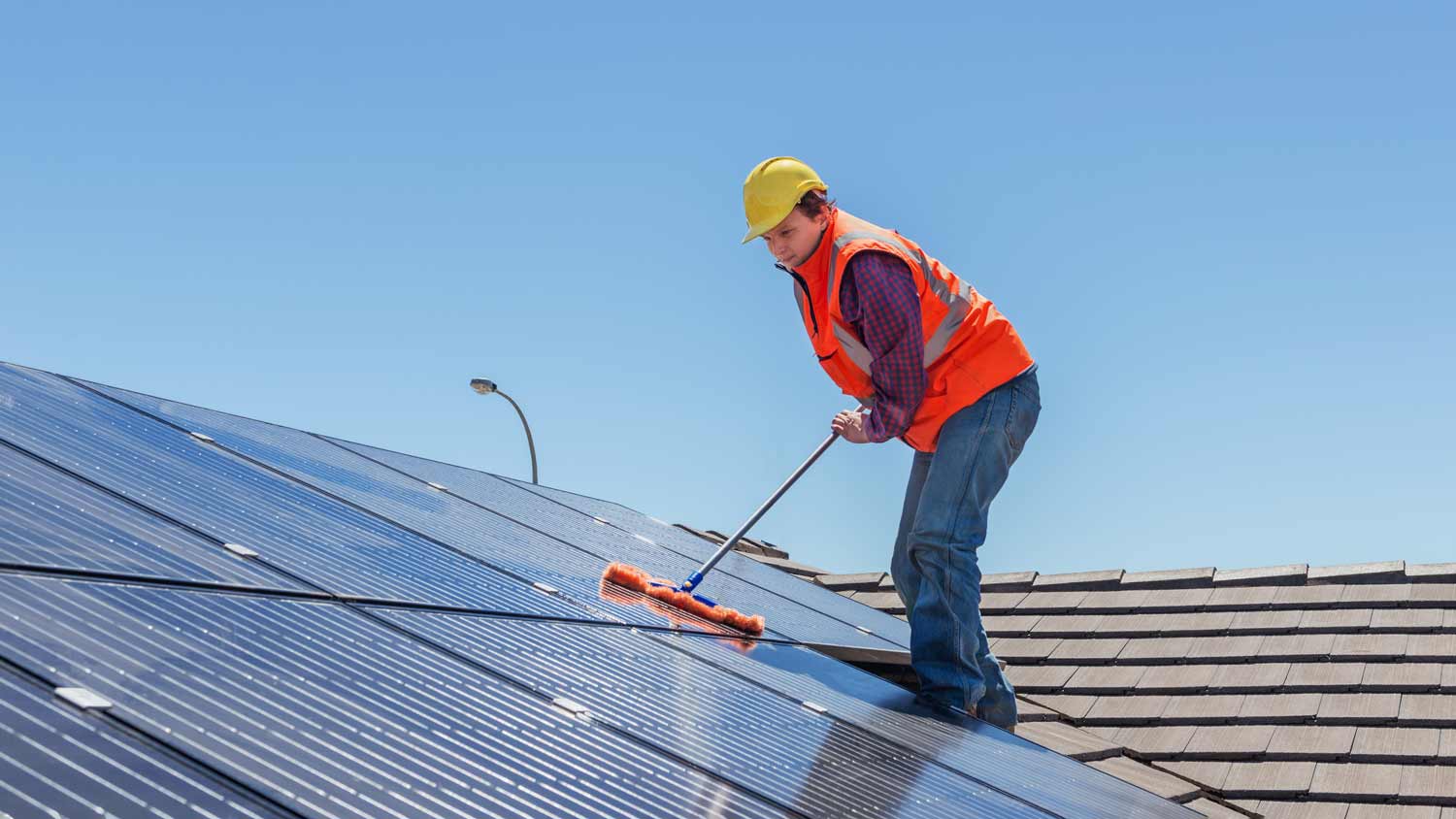
Who to hire for solar panel maintenance? Learn if a solar repair company or electrician is right, what they do, and typical costs
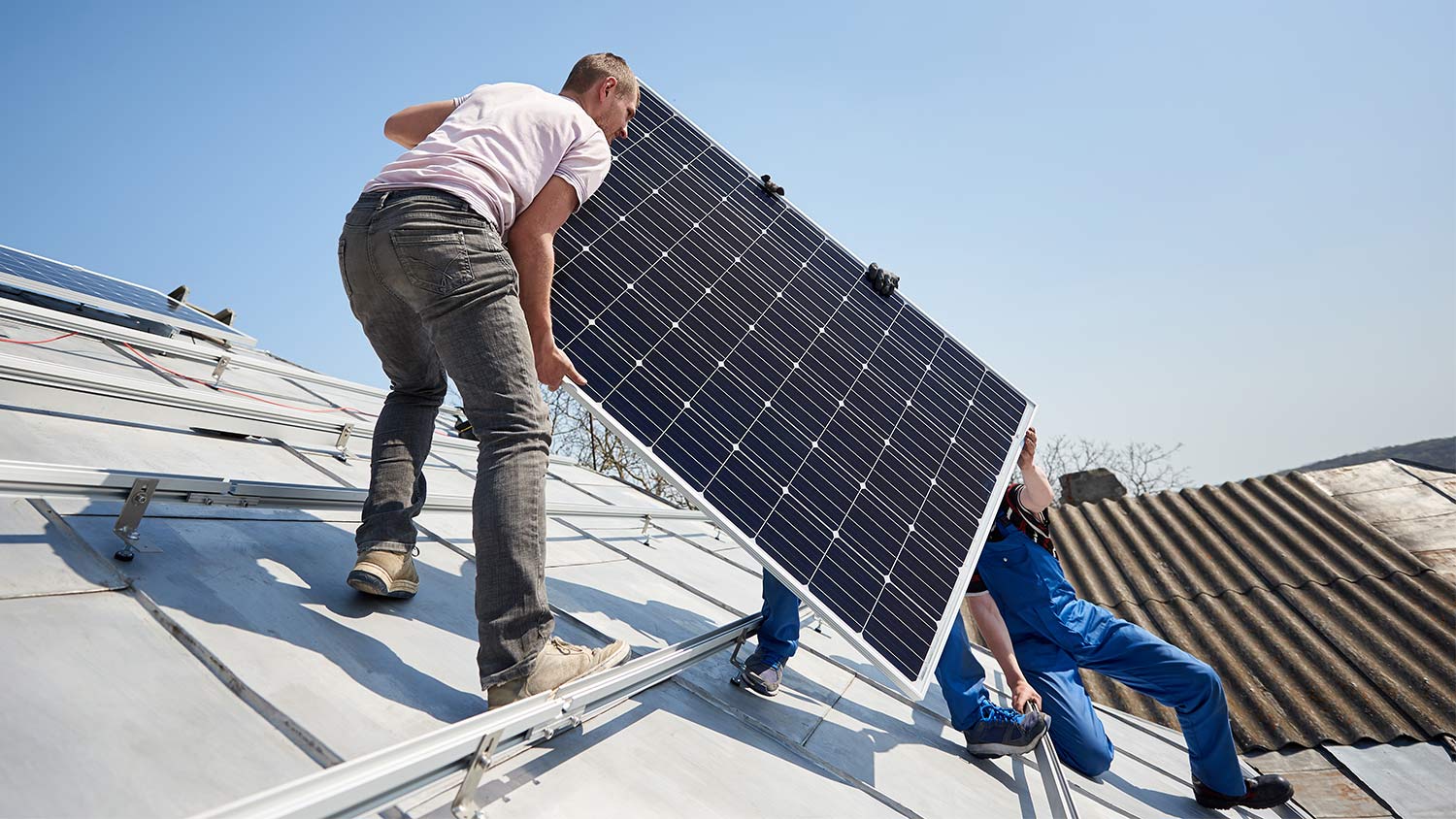
Who installs solar panels? Learn who to hire—certified installers vs electricians—and which certifications protect permits, safety, and your warranty.

Who to hire for a solar panel inspection for a new home? See whether to call a certified solar installer or electrician and what they check