
Budget for the cost to fertilize a lawn based on factors such as area size, fertilizer type, number of applications, additional services, labor, and more.
The average lawn renovation project costs $4,000
Professional lawn renovation costs between $400 and $3,000 for most homes, with pricing determined by your property size and treatment needs.
Your lawn size and grass variety affect both initial costs and long-term maintenance requirements for your renovation project.
Budget for yard cleanup services from $190 to $1,000 and tree stump removal from $175 to $550 per stump before renovation begins.
Hiring a local lawn aeration professional provides specialized equipment and expertise that identifies underlying issues and saves you money long-term.
This article was created using automation technology and thoroughly fact-checked and edited by HomeAdvisor Editor Ryan Noonan.
Transforming a damaged or neglected lawn requires careful planning and budgeting. Lawn renovation costs can be as low as $70 for simple spot treatments to as high as $7,900 for comprehensive overhauls, with most homeowners spending an average between $400 and $3,000. The national average stands at $4,000, with pricing calculated at $0.75 to $4.00 per square foot depending on your property's specific needs.
Lawn renovation encompasses various treatment methods, each designed to address specific issues. Your selection should align with your budget constraints, timeline expectations, and the current state of your yard.
| Treatment | Description | Cost Range |
|---|---|---|
| Seeding | Seeding existing lawn areas | $440–$1,750 |
| Hydroseeding | Spraying seed-infused mulch | $500–$1,910 |
| Power seeding | Machine-driven seed insertion | $400–$7,900 |
| Aeration | Creating soil perforations | $75–$200 |
| Fertilization | Applying nutrient treatments | $70–$380 |
| Re-sodding | Installing pre-grown grass | $1,070–$3,000 |
| Dethatching | Removing dead grass layers | $160–$225 |
| Soil testing | Analyzing soil composition | $680–$2,155 |
Traditional seeding addresses thin areas or bare patches in your lawn. This approach costs between $440 and $1,750, with variations based on yard dimensions and seed quality. The process involves preparing the soil surface, distributing seeds evenly, and maintaining proper moisture levels until germination occurs, often requiring several weeks before establishing full coverage.
This advanced technique applies a mixture of seed, mulch, fertilizer, and binding agents to your lawn. Pricing falls between $500 and $1,910 for hydroseeding services. This method proves particularly effective for hillsides or erosion-prone areas, offering faster germination than conventional seeding while requiring less physical labor for application.
For lawns with compacted soil or stubborn bare areas, power seeding provides an effective solution. Investment ranges from $400 to $7,900, depending on equipment requirements and property size. This technique uses specialized machinery to cut grooves into the soil, placing seeds at ideal depth for improved germination rates and stronger establishment.
This essential service creates small openings in your soil to enhance water, air, and nutrient penetration. Professional aeration costs between $75 and $200 for standard residential properties. The process complements seeding efforts by improving soil-to-seed contact and reducing compaction issues that often hinder healthy root development.
Providing essential nutrients to your lawn through fertilization services costs approximately $70 to $380, depending on property size and product selection. This treatment enhances color, thickness, and overall health of your grass, with application timing varying based on grass type and regional growing conditions.
For immediate results, resodding replaces damaged lawn areas with fresh, mature grass. This service costs $1,070 to $3,000 for average residential properties. While representing a higher initial investment, resodding delivers instant visual improvement and eliminates the waiting period associated with seed germination.
Professional dethatching services, which remove accumulated dead grass material between living grass and soil, cost $160 to $225. This crucial maintenance step improves moisture and nutrient absorption while reducing disease susceptibility. Signs that dethatching is needed include spongy texture underfoot or brownish patches despite adequate watering.
Professional soil analysis helps identify nutrient deficiencies and pH imbalances affecting your lawn's health. This service costs $680 to $2,155, including comprehensive testing and customized recommendations. Understanding your soil composition allows for targeted amendments rather than guesswork, potentially saving money on unnecessary treatments.
Multiple variables influence the final price of your lawn renovation project. Understanding these elements helps establish realistic budget expectations before beginning your lawn transformation.
Property dimensions significantly impact overall renovation costs. Larger lawns naturally require more materials, time, and labor to renovate properly. While contractors may offer volume discounts for extensive properties, the total investment increases proportionally with square footage, particularly for premium treatment options.
| Lawn Size (Sq. Ft.) | Cost Range |
|---|---|
| 100 | $80–$400 |
| 250 | $200–$1,000 |
| 500 | $375–$2,000 |
| 1,000 | $750–$4,000 |
Entry-level renovation includes targeted treatments for small problem areas, basic fertilization, and minimal seeding.
Standard renovation covers more comprehensive approaches like complete reseeding or partial sodding for average-sized yards.
Comprehensive renovation involves the complete transformation of severely damaged lawns, often including multiple treatment types and premium grass varieties.

Your grass selection affects both initial costs and long-term maintenance requirements. Climate-appropriate varieties perform better with less intervention, potentially reducing future expenses.
| Grass Type | Description |
|---|---|
| Warm-season (Bermuda) | Heat-tolerant lawns |
| Cool-season (Fescue) | Drought-resistant grass |
Professional landscaping services charge $50 to $100 per hour for lawn renovation work. Depending on the property's condition, initial preparation may include yard cleanup services ranging from $190 to $1,000.
Removing obstacles like tree stumps adds $175 to $550 per stump to your project. Addressing terrain issues through yard leveling services costs approximately $1,020 to $3,300 for standard residential properties.
Severely damaged or neglected lawns require more intensive intervention. Additional treatments might include weed management services costing $35 to $400 or pest control treatments ranging from $110 to $260, depending on infestation severity. Properties with compacted soil or significant nutrient deficiencies require more comprehensive treatment approaches, pushing costs toward the higher end of the spectrum.
Many homeowners enhance their lawn renovation with complementary improvements. Installing irrigation systems costs approximately $1,665 to $3,550 for standard residential properties. Other popular additions include decorative borders, drainage solutions, or landscape lighting. While these elements increase initial project costs, they often improve long-term lawn health and reduce maintenance requirements.
Keep these ongoing lawn care costs in mind to keep your grass looking its best.
Preserving your newly renovated lawn requires regular care. Ongoing maintenance costs $100 to $500 monthly during active growing seasons. Professional mowing services range from $50 to $205 per visit, based on property size and complexity.
Seasonal tasks like spring cleanup, summer fertilization, and fall overseeding contribute to annual maintenance expenses but help protect your initial investment.
Beyond professional services, lawn maintenance involves variable expenses like water usage, fertilizer applications, and equipment operation. These costs fluctuate seasonally and regionally, with factors like local climate, water restrictions, and utility rates influencing your total expenditure. Planning for these recurring expenses helps maintain your lawn's appearance and health throughout the year.
Even well-maintained lawns occasionally require spot treatments or minor repairs. Common issues include thin areas from heavy foot traffic, pet damage, or seasonal stress. Implementing prompt, targeted interventions helps prevent small problems from becoming major renovation needs, preserving your landscape investment over time.
For minor lawn improvements like spot seeding or basic fertilization, the do-it-yourself approach can reduce expenses. DIY renovators can save between $50 to $250 per service compared to professional rates, though equipment rental and material costs offset some of these savings. More complex projects involving soil remediation, drainage issues, or complete lawn replacement often benefit from professional expertise.
Lawn care professionals bring specialized equipment, technical knowledge, and efficiency to renovation projects. Their experience helps identify underlying issues that might otherwise go unaddressed, potentially saving money long-term. Many companies offer service packages combining multiple treatments at reduced rates compared to individual service pricing. For comprehensive renovations, professional results justify the additional investment.
Consider these cost-saving strategies when planning your lawn renovation project:
Schedule lawn services during off-peak seasons when demand is lower and pricing may be more competitive.
Consider package deals that combine multiple necessary treatments for potential savings over individual service bookings.
Research multiple local lawn care companies and request detailed estimates from at least three reputable providers.
Select regionally appropriate grass varieties that naturally thrive in your climate with minimal supplemental care.
Handle basic preparation tasks yourself, such as clearing debris and removing small obstacles before professionals arrive.
No place is more important than your home, which is why HomeAdvisor connects homeowners with local pros to transform their houses into homes they love. To help homeowners prepare for their next project, HomeAdvisor provides readers with accurate cost data and follows strict editorial guidelines. After a project is complete, we survey real customers about the costs to develop the pricing data you see, so you can make the best decisions for you and your home. We pair this data with research from reputable sources, including the U.S. Bureau of Labor Statistics, academic journals, market studies, and interviews with industry experts—all to ensure our prices reflect real-world projects.
From average costs to expert advice, get all the answers you need to get your job done.
Budget for the cost to fertilize a lawn based on factors such as area size, fertilizer type, number of applications, additional services, labor, and more.

Budget for drip irrigation system costs based on factors such as system type, yard size, professional labor, coverage density, and more.
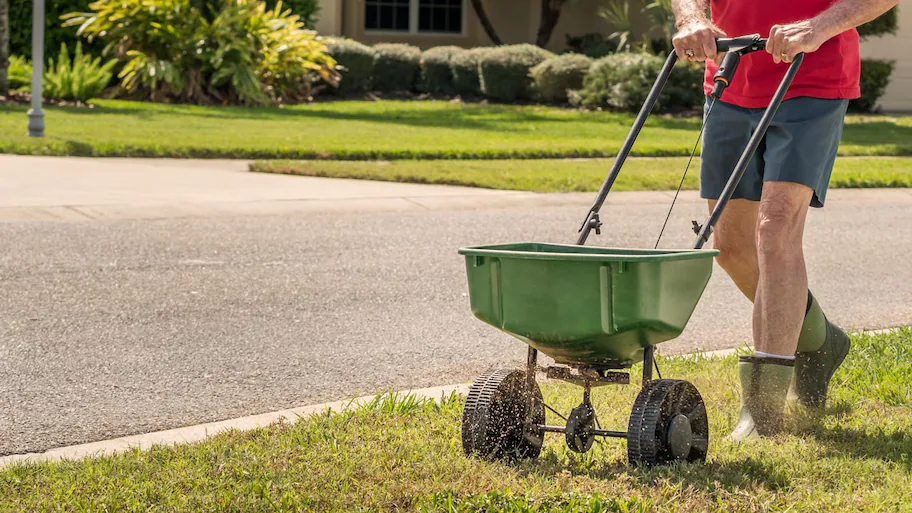
Use this guide to explore how factors such as property size, location, preparation work, labor rates, and grass type impact the cost of reseeding your lawn.

Explore how much hydroseeding costs, depending on factors like the project size, yard slope, condition, location, and added landscaping services.

Use this guide to learn about pricing and budget for poison ivy removal based on factors such as ivy location, labor rates, ivy type, and more.

Learn how much lawn aeration costs, exploring how factors like the area size, method, prep work, and additional services affect the total price.