
Budget for the cost to install recessed lighting based on factors such as type of light, wiring, labor, trim and finish type, and more.


Yes, a licensed electrician is essential for this project. Running an electrical service from the road to your house involves connecting to utility power lines, complying with national and local electrical codes, and safely handling high-voltage systems.
Licensed professionals understand proper wire sizing, grounding requirements, and voltage drop calculations needed for safe installation. Most jurisdictions require permits and inspections that only certified professionals can obtain. The safety risks and potential for property damage make this project inappropriate for DIY attempts.
Overhead installations are less expensive than underground options. For a 1000-foot run, overhead service costs between $8,000 and $15,000, while underground service ranges from $10,000 to $25,000.
Overhead lines require less labor and fewer materials since they don't need trenching or conduit. However, underground lines offer better protection from weather events and aesthetic benefits. Your decision should balance your budget constraints with long-term reliability and visual preferences.
You might need to upgrade your electrical panel depending on your power requirements. If your existing panel cannot handle the additional load from the extended service, upgrading to a 200-amp service (costing $750 to $2,000) may be necessary.
A licensed electrician can evaluate your current system and determine if an upgrade is required. Factors include what you'll be powering at the end of the line, existing electrical demand, and whether voltage drop over the distance will affect performance.
Running electric service from the road to a house requires electrical permits from your local building department, costing between $500 and $2,000 depending on your location. You may also need excavation permits for trenching work if installing an underground service. Your utility company will have its own application process for connecting to its grid. A licensed electrical contractor can handle all the necessary permit applications as part of their service, ensuring your installation meets all local code requirements.
From average costs to expert advice, get all the answers you need to get your job done.
Budget for the cost to install recessed lighting based on factors such as type of light, wiring, labor, trim and finish type, and more.
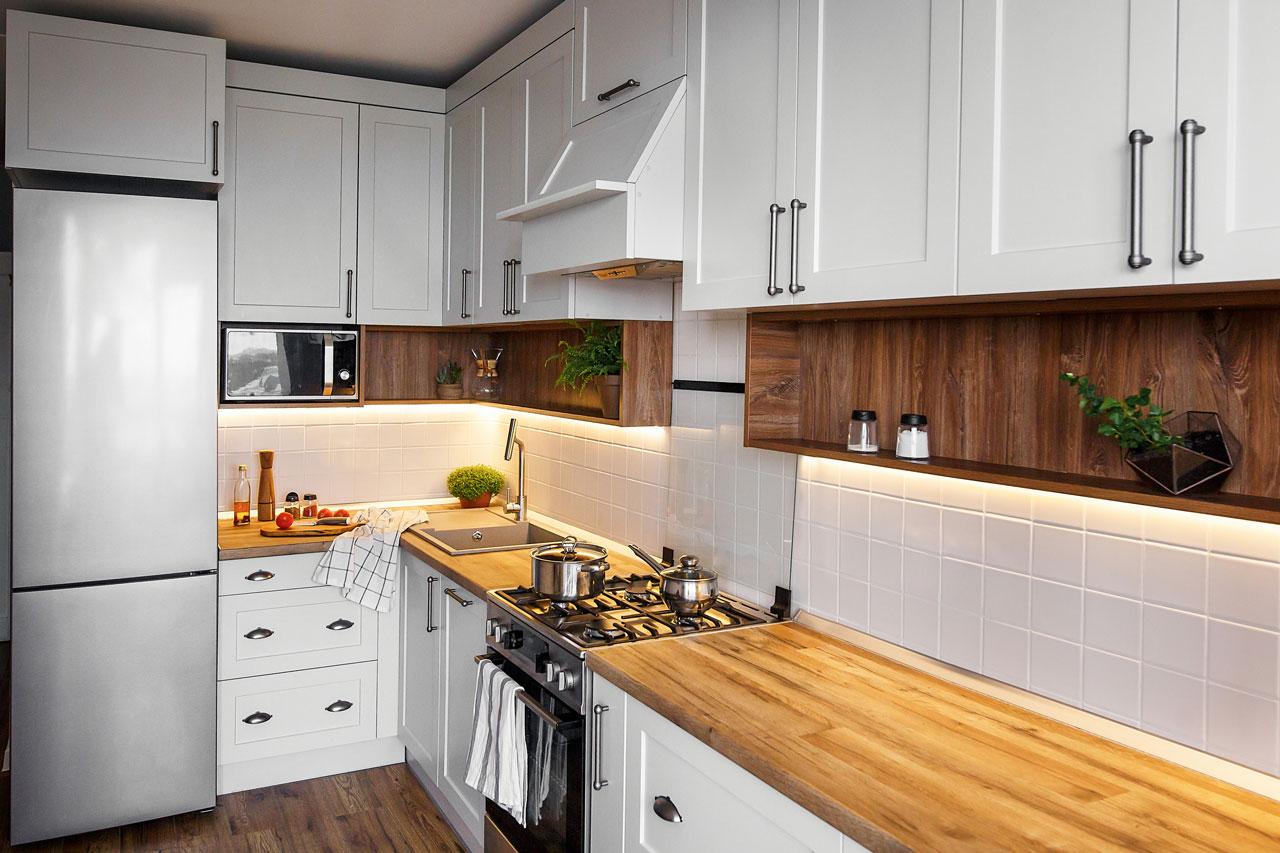
Budget for the cost to install under-cabinet lighting based on factors such as fixture type, materials, lighting style, professional labor, and more.

Budget for lightning rod installation costs based on factors such as rod type, protection system type, labor, upgrades, and more.

Budget for whole-house surge protector costs based on factors such as protector type, home size, permits, labor, electrical panel upgrades, and more.

Learn how to budget for the cost of rewiring a house based on factors like house size, age, permits, and type of wiring.

Find out how much it costs to replace or upgrade an electrical panel. Read on for pricing breakdowns, cost factors, and when it’s time to upgrade your panel.