
Use this guide to budget for appliance installation costs based on factors such as appliance type, installation complexity, labor rates, and more.
A washing machine repair company can move and hook up appliances, with plumbers and electricians for new lines

Relocating a laundry setup involves safe moving, correct hookups, and, when needed, new plumbing, venting, gas, or electrical work.
The main cost factors include whether hookups already exist and if you need a new 220v outlet, gas line, or dryer vent installation.
Completing the move correctly reduces risks of leaks, electrical issues, and improper venting, and helps your appliances operate as designed.
Washers weigh 150 to 200 pounds, so plan for professional handling and confirm all required hookups before scheduling the move.
This article was created using automation technology and thoroughly fact-checked and edited by HomeAdvisor Editor Ryan Noonan.
When deciding who to hire to relocate a washer and dryer, start by confirming whether your new location already has water, drain, vent, gas, and the right power. A washing machine repair company can move the units and connect them to existing hookups.
You can hire licensed plumbers for water or gas lines, and licensed electricians for 120v or 220v outlets. Always avoid DIY gas, plumbing, or 220v electrical work without proper training, and consider hiring a general contractor to coordinate all trades for you.
A washer and dryer repair pro brings installation know-how and can spot basic electrical or plumbing concerns that affect safe operation. When hookups are ready, they move and connect your appliances correctly. If your units are not repairable, they can help clear space for replacements and assist with disposal or recycling. They do not perform licensed plumbing or electrical modifications.
Here are some of the top benefits of working with pros:
Moves heavy appliances safely and efficiently
Connects the washer and dryer to the existing hookups correctly
Diagnoses issues that affect safe operation
Identifies missing electrical, plumbing, or venting needs
Helps clear space for new appliances if needed
May assist with the disposal or recycling of old units
Provides a clear plan before other trades get involved
Reduces risk of leaks or improper connections
An appliance installer is a good choice when hookups are already in place. They have the equipment and experience to move units and connect them correctly, often fast and with minimal disruption. With hookups ready, installation costs range from $50 to $175.
Most installers do not add or move electrical, gas, or plumbing lines, and all-in-one installers with both skill sets are rare. Confirm that water, drain, vent, and power are ready before booking.
If you need help with the physical move or installation, consider an appliance repair pro near you to ensure the job is done safely and efficiently.
Relocating can involve multiple pros depending on whether you need new utilities or only a move and reconnection. Here is the standard sequence:
A washer and dryer repair pro evaluates the new location and identifies required utilities
If hookups are ready, the repair pro or installer moves the appliances and connects them
If not, licensed plumbers, electricians, or a general contractor add water, drain, vent, gas, and outlets
After utilities are ready, the installer or repair pro reconnects and tests for proper operation
Your budget for washer and dryer relocation depends on whether you need only moving and connection or new utilities:
With hookups in place, appliance installation costs from $350 to $1,150.
Moving washer and dryer hookups costs $850 to $1,800.
Installing or moving a natural gas line costs between $200 and $5,000.
Installing a 220v outlet ranges from $130 to $320, up to $600 for complex work.
Installing a dryer vent ranges from $40 to $1,000.
Existing hookups reduce costs, while added plumbing, electrical, gas, or venting increases them. Good coordination and sequencing help avoid delays and extra visits.
From average costs to expert advice, get all the answers you need to get your job done.
Use this guide to budget for appliance installation costs based on factors such as appliance type, installation complexity, labor rates, and more.
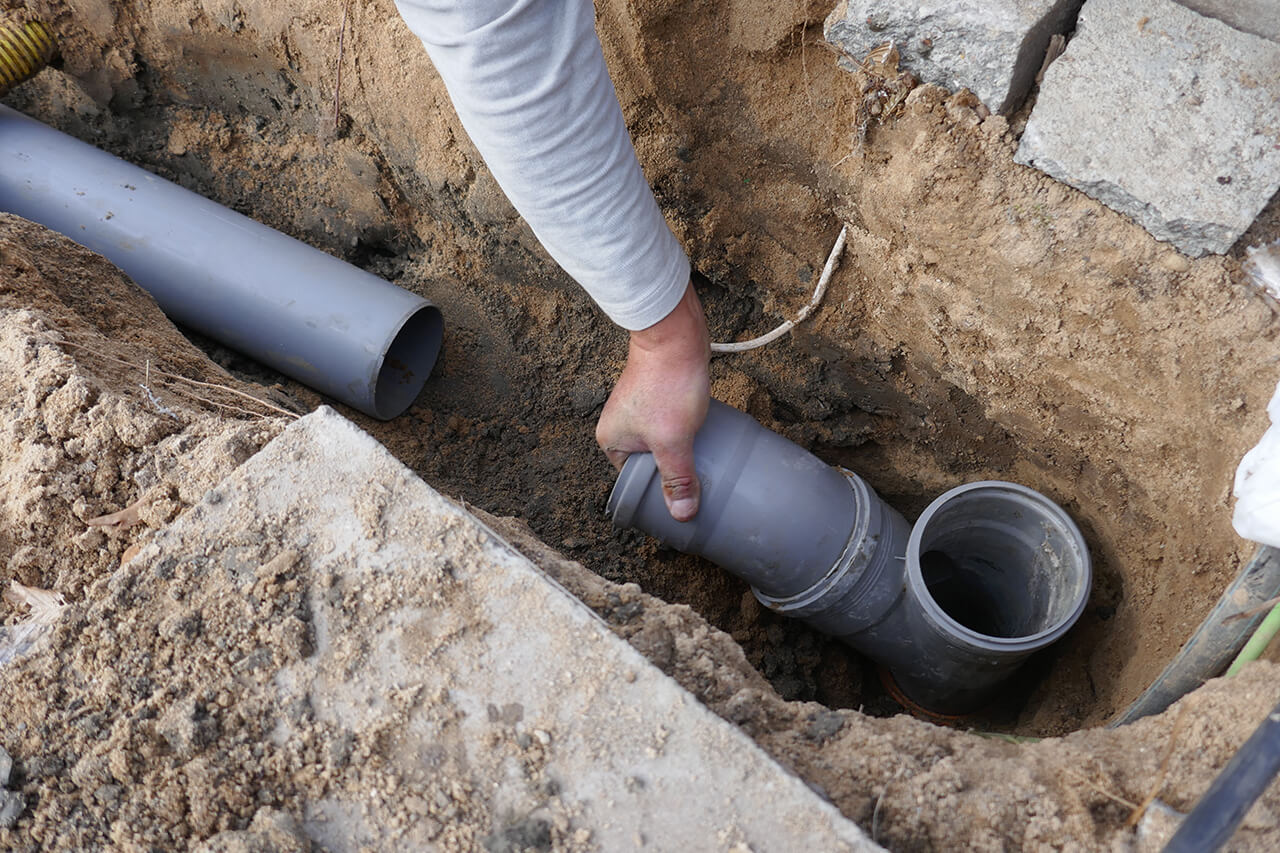
Understand what goes into installing a sewer line, including materials, labor, permits, and potential landscaping considerations, to ensure a smooth and compliant connection to your local sewer system.

Check out how to budget for washing machine repairs based on factors like machine type, replacement part, and labor costs.
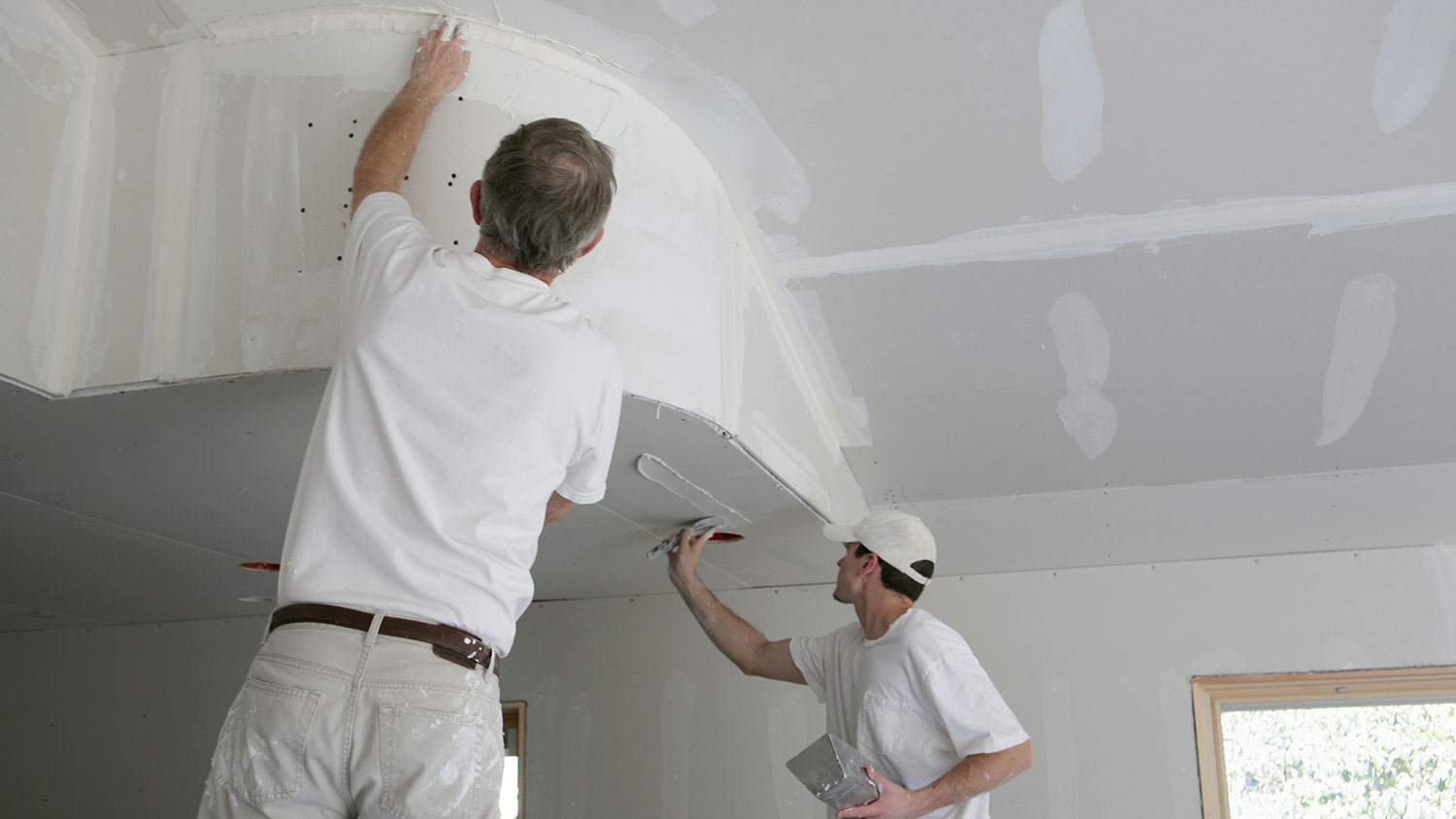
Wondering who installs drywall? Learn when to hire drywall contractors, what the process includes, and typical costs.

Find out who can install a chimney liner, when to hire a pro, and what it costs. Learn steps, safety risks, and your best options.
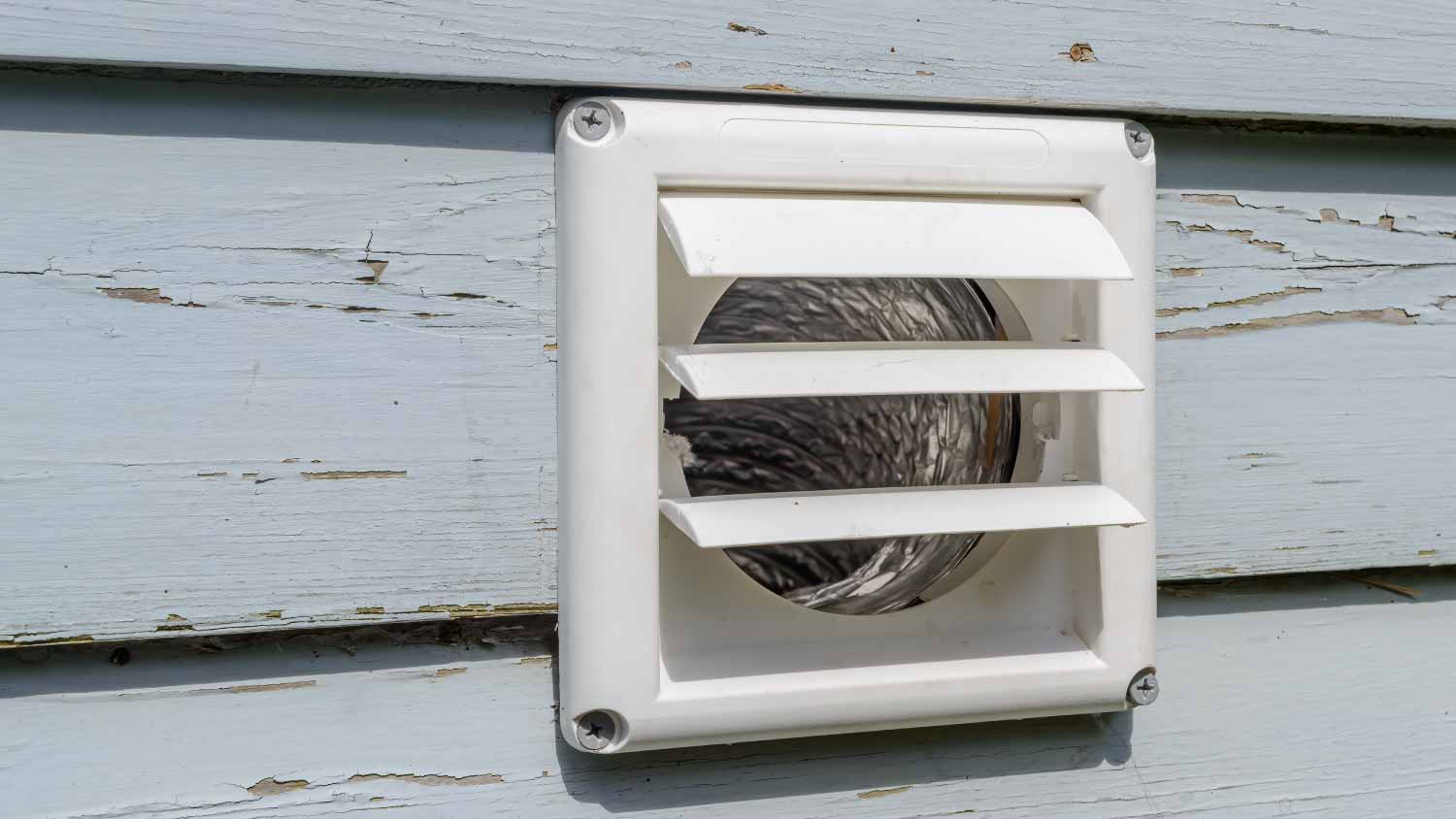
Who installs dryer vents? Learn who to call—dryer repair specialists, contractors, HVAC, plumbers, or roofers—and what affects price. Get expert guidance now.