Top-rated trees & shrubs treat, protect and maintainers.

Get matched with top trees & shrubs treat, protect and maintainers in Horace, ND

Enter your zip and get matched with up to 3 pros

Matching on HomeAdvisor

Share some details icon
Share some details about your home project.
Match with local pros icon
Within moments, match with highly-rated local pros.
Compare quotes icon
Compare quotes and choose the best pro for the job.

Find Trees & shrubs treat, protect and maintainers in Horace

Avatar for True North Tree Health
True North Tree Health
5.0(
1
)

Serving Horace, ND and surrounding areas

In business since 2024

Free estimates

Credit card accepted

"I first started working with Eric a few years ago. He has shown he truly is the areaâ s expert in tree health and care. I have come to really value his vast knowledge and expertise. I would highly recommend his services to anyone."
Response time5 hrs
Recommended by100%of homeowners
Avatar for Odd Job Squad
Odd Job Squad
4.5(
6
)

Serving Horace, ND and surrounding areas

In business since 2020

Free estimates

Emergency services offered

"It was good. They were good guys, they helped me out, he made himself available for me, they cleaned up the yard for me, they were there, they got the things done and they did a good job."
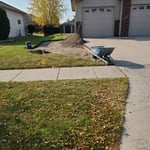
Concrete job
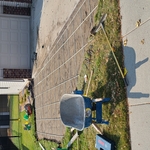
Concrete job
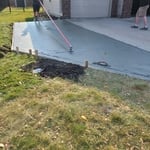
Concrete job
Additional Photos
Additional Photos

+2

Recommended by80%of homeowners
FAQs for trees & shrubs treat, protect and maintain projects in Horace, ND

The optimal transplanting season depends on your tree species, but most trees respond best when moved during dormancy. For deciduous trees, late fall after leaf drop or early spring before bud break provides the lowest stress periods. Evergreens transplant better in early fall or late summer when soil temperatures remain warm enough for some root growth. Avoiding transplanting during active growth periods helps trees direct energy toward establishing new roots rather than supporting foliage.

While technically, trees of any size can be transplanted with the right equipment and expertise, practical considerations limit what's reasonable for most homeowners. Trees with trunk diameters under 15 inches are most commonly transplanted in residential settings. Success rates decline as trees increase in size and age, with specimens over 24 inches in diameter presenting significant challenges and costs. For large trees, carefully weigh the substantial investment against the potential benefits and survival probability.

Most transplanted trees require one to two years to fully establish in their new location, with larger specimens often needing additional time. During this establishment period, the tree regenerates roots that were inevitably lost during the move. Signs of successful establishment include normal seasonal growth patterns, healthy leaf development, and reduced dependence on supplemental watering. The quality of aftercare during this critical period significantly influences long-term survival rates.

Self-transplanting is feasible for small trees with trunk diameters under two to three inches if you have proper tools and follow correct techniques. However, medium to large trees require professional expertise and specialized equipment to ensure tree survival and property protection. While professional services cost more initially, they achieve much higher success rates and prevent potential damage to your property or the tree itself. The investment in professional services often proves worthwhile when considering the value of mature trees.

The Horace, ND homeowners’ guide to trees & shrubs treat, protect and maintains

From average costs to expert advice, get all the answers you need to get your job done.