
Budget for the cost to install an outlet based on factors such as the number of outlets, the location in your home, outlet type, labor, and more.
The average hot tub wiring installation costs $2,300
Hot tub electrical installation costs between $1,900 and $4,200, with most homeowners paying around $2,300 for your professional wiring project.
Your hot tub size and power requirements determine the complexity of your electrical work and the amperage your dedicated circuit needs.
You should account for subpanel installation costs of $400 to $1,800 and permit fees when you create your final project budget.
Hiring a local electrical professional prevents fire hazards and ensures all hot tub electrical connections meet your local building code.
This article was created using automation technology and thoroughly fact-checked and edited by HomeAdvisor Editor Ryan Noonan.
On average, hot tub electrical installation costs $1,900 to $4,200, with most homeowners paying an average of $2,300 for materials and labor. Several factors influence this price, including your home's existing electrical setup, the distance between your electrical panel and hot tub location, and whether you need additional electrical capacity. Installing proper wiring for your hot tub requires specialized electrical work to ensure safety and functionality.
Several key elements determine what you'll pay for hot tub wiring. Understanding these factors helps explain why quotes might vary significantly between properties and installation scenarios.
Different hot tub models have varying electrical requirements that directly impact installation complexity and cost. Understanding your specific model's needs helps you prepare for the appropriate level of electrical work.
Hot tubs are divided into categories based on their power requirements. Entry-level models may use standard household current, while premium spas with multiple pumps and heaters require dedicated high-amperage circuits. Your electrician can advise which category your model falls into and what electrical work will be necessary.
The physical dimensions and capacity of your hot tub correlate with its electrical demands. Larger tubs with more features require more robust electrical connections.
Smaller hot tubs designed for two to four people often have fewer jets and simpler heating systems, requiring less electrical capacity than larger models. Medium-sized tubs for five to six people often need standard 240V service, while large tubs accommodating seven or more people frequently require higher amperage and possibly dedicated subpanels to handle their electrical load.
Quality materials ensure both safety and longevity for your hot tub electrical installation. Weather-resistant components are essential for outdoor installations.
| Material | Average Cost | Purpose |
|---|---|---|
| Breaker | Circuit protection | $90–$150 |
| #6 copper wire (400 ft.) | Power delivery | $480–$600 |
| 1-inch PVC conduit (100 ft.) | Wire protection | $50–$120 |
| 1-inch PVC conduit fittings | Secure connections | $10–$50 |
| Subpanel | Additional circuit capacity | $100–$350 |
| Double-pole 240V GFCI circuit breaker | Shock protection | $15–$30 |
Professional electricians ensure your hot tub wiring meets safety standards and local building codes. Hiring an electrician costs $50 to $100 per hour. The installation process takes four to eight hours for a subpanel installation, with labor costs ranging from $200 to $800, depending on complexity.
Professional installation includes:
Initial assessment
Permit acquisition
Trenching
Electrical connections
Final inspection
Depending on your specific situation, you may need additional electrical components or services beyond basic wiring.
| Add-On | When Needed | Average Cost |
|---|---|---|
| Subpanel installation | If your main panel lacks capacity | $400–$1,800 |
| 220V outlet installation | For compatible hot tub models | $220 |
| Manual disconnect | Required by many local codes | Labor included in installation |
Regular electrical maintenance helps prevent safety issues and extends the life of your hot tub's electrical components.
Electrical maintenance practices that professionals recommend include:
GFCI testing: Check your ground fault protection regularly.
Connection inspection: Have connections checked periodically for corrosion or damage.
Weather protection: Ensure outdoor connections remain properly sealed against moisture.
Your monthly expenses for running a hot tub will include both electricity and water treatment products, totaling $30 to $60 per month. Usage frequency, temperature settings, and your local utility rates all influence these ongoing costs.
When electrical components fail, hot tub repairs cost between $200 and $500. Common issues include circuit problems, heating element failures, and control system malfunctions. Contacting a qualified electrician who understands hot tub systems can help address problems promptly.
Many homeowners' insurance policies require notification when adding a hot tub to your property. Professional installation documentation may be necessary for coverage. Check with your insurance provider about specific requirements and whether your policy limits might change.
These cost-saving strategies can make your hot tub wiring project more budget-friendly:
Place your hot tub within five to 10 feet of your electrical panel when possible to minimize material costs.
Consider handling the trench digging yourself, which can reduce labor costs by approximately $6 per linear foot.
Utilize existing electrical capacity if available to avoid the $400 to $1,800 expense of adding a subpanel.
Request multiple quotes from local licensed electricians to ensure competitive pricing.
Schedule your installation during slower seasons when electricians might offer better rates.
No place is more important than your home, which is why HomeAdvisor connects homeowners with local pros to transform their houses into homes they love. To help homeowners prepare for their next project, HomeAdvisor provides readers with accurate cost data and follows strict editorial guidelines. After a project is complete, we survey real customers about the costs to develop the pricing data you see, so you can make the best decisions for you and your home. We pair this data with research from reputable sources, including the U.S. Bureau of Labor Statistics, academic journals, market studies, and interviews with industry experts—all to ensure our prices reflect real-world projects.
From average costs to expert advice, get all the answers you need to get your job done.
Budget for the cost to install an outlet based on factors such as the number of outlets, the location in your home, outlet type, labor, and more.

Budget for the cost to install recessed lighting based on factors such as type of light, wiring, labor, trim and finish type, and more.
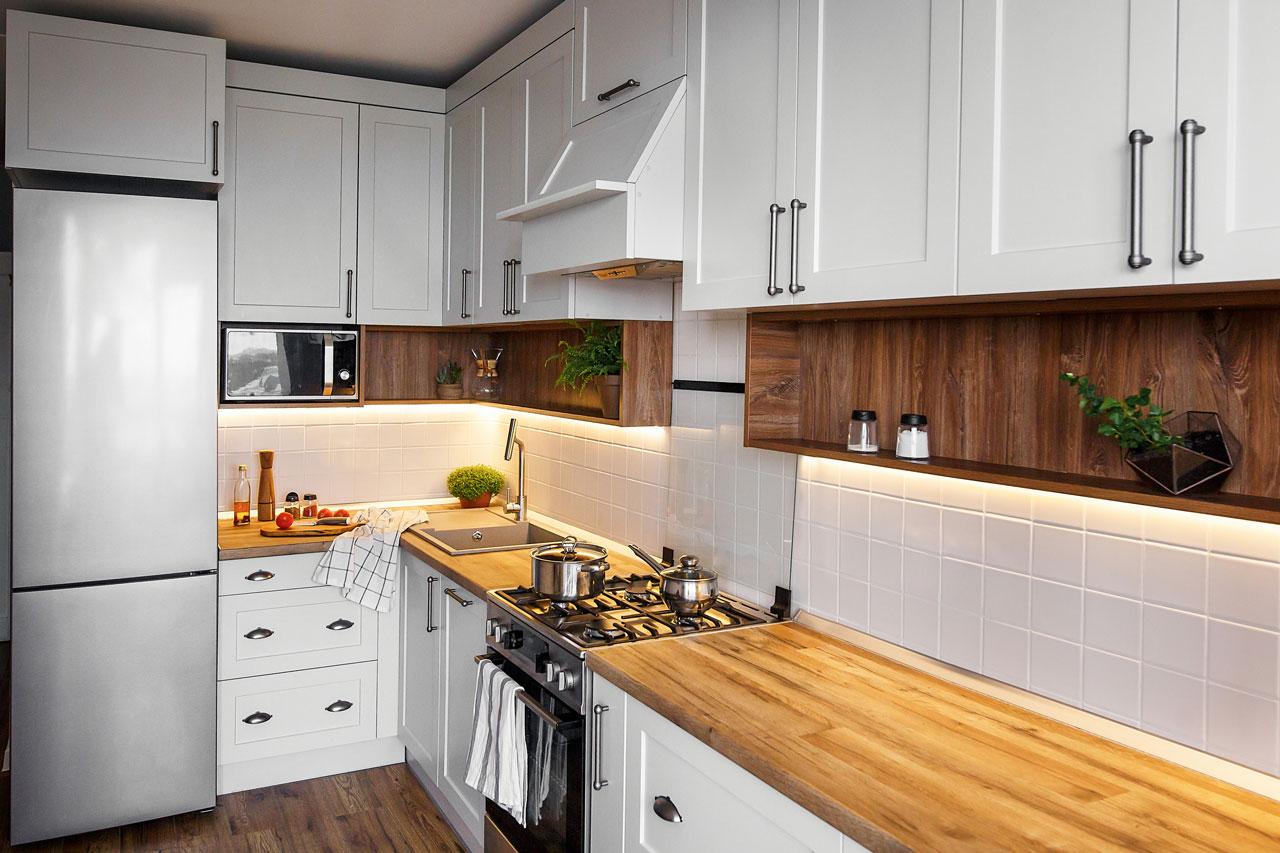
Budget for the cost to install under-cabinet lighting based on factors such as fixture type, materials, lighting style, professional labor, and more.

Budget for the cost to replace a light switch based on factors such as switch type, project complexity, hiring a professional electrician, and more.

Budget for the cost to install a coax outlet based on factors such as the number of outlets, accessibility, labor, installation type, and more.

Budget for lightning rod installation costs based on factors such as rod type, protection system type, labor, upgrades, and more.