Top-rated heating cable for roof installers.

Get matched with top heating cable for roof installers in Louisville, KY
Enter your zip and get matched with up to 3 pros

Matching on HomeAdvisor

Share some details icon
Share some details about your home project.
Match with local pros icon
Within moments, match with highly-rated local pros.
Compare quotes icon
Compare quotes and choose the best pro for the job.

Find Heating cable for roof installers in Louisville
Avatar for AIC Roofing & Construction, Inc.
AIC Roofing & Construction, Inc.
4.7(
7
)

Serving Louisville, KY and surrounding areas

Approved

In business since 2003

Free estimates

Warranties offered

"The project went great, AIC met with my insurance claims adjustor, they were able to do a full roof replacement and provided me an excellent warranty. Would highly recommend them to anyone needing a roof replacement or repairs done to their home."
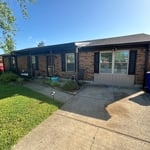
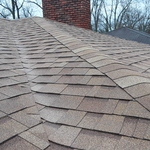
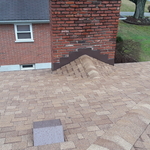
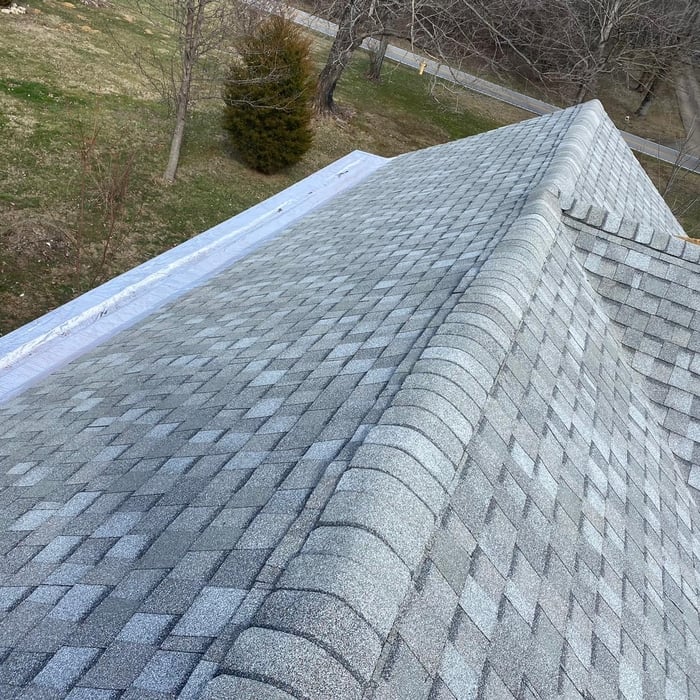
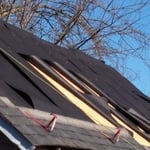
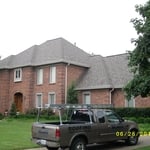
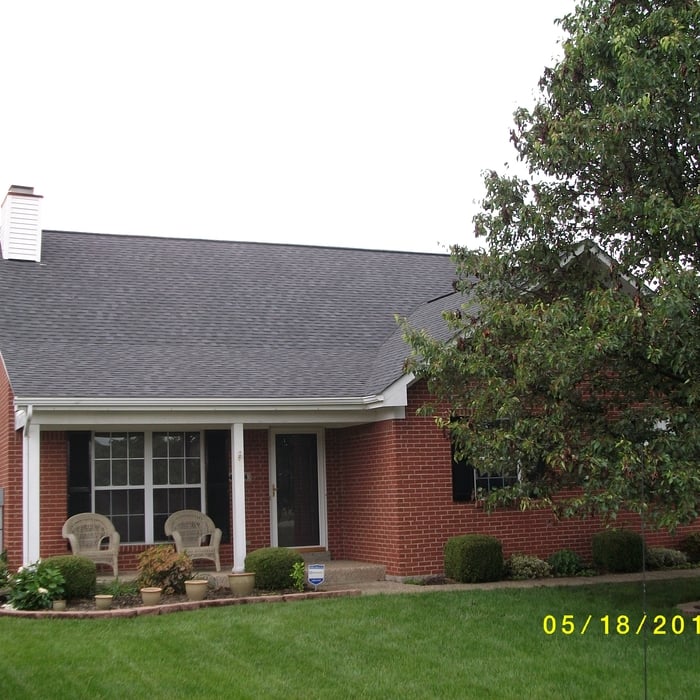
The homeowner was able to see this ripple of shingles from the ground! This was caused by high winds and was part of the reason the homeowner gave us a call.
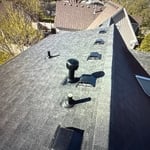
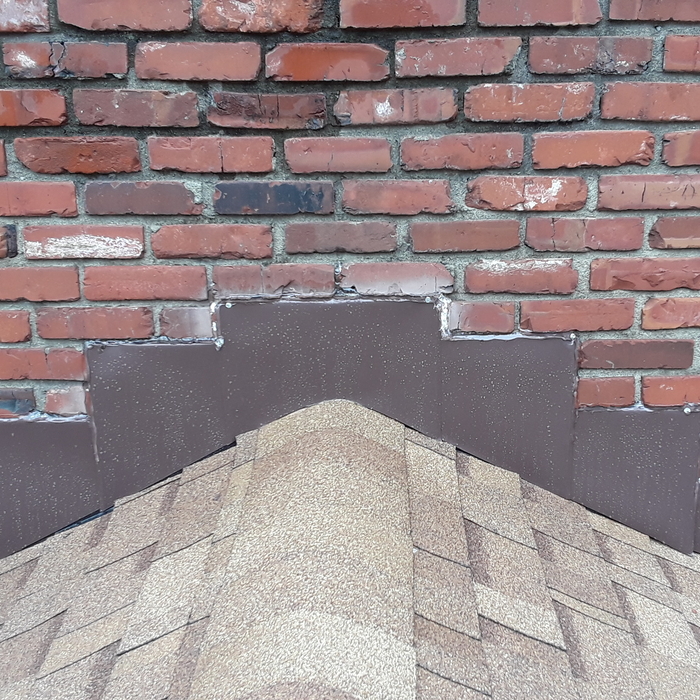
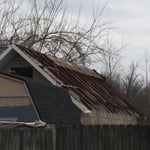
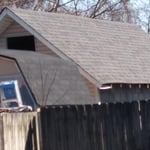
During our inspection, we were able to see exactly where the shingles had blown off and other areas of damage on the roof. This homeowner needed a full roof replacement.
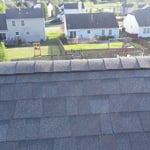
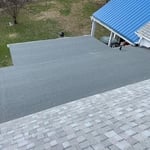
At AIC, we care about the small details. Before we started to remove the old roof from this house, we covered the HVAC units to prevent any debris from causing damage!
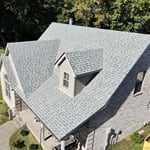
We will always tear off the old roof before installing the new roof. This keeps warranties intact and gives the customer a better product with a new roof!
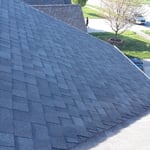
All of our roof installations get a layer of underlayment before the shingles go on. This protects the roof's deck from moisture!

+50

Response time2 days
Response rate91%
15 neighbors recently requested a quote
FAQs for heating cable for roof installation projects in Louisville, KY

A typical heat cable uses 5 watts per foot, regardless of the outside temperature. So, if your cable is 100 feet long, it uses 500 watts per hour. Expect to pay an additional $40 to $200 or more per month on your electricity bill. Be sure to turn manual cables off in the summer when you don't need them.

To install heat tape on your roof, place it along the lower edge in a precise zig-zag pattern to maximize coverage and heat distribution. Professional installers secure the tape with specialized clips that attach firmly to your shingles. This method ensures even heat distribution to effectively melt ice and snow while maintaining your roof's integrity during severe winter conditions.

Choosing between heated gutters and roof heating cables usually comes down to budget, appearance, and performance. Heated gutters cost less to install and blend seamlessly with your home’s exterior, making them a discreet, lower-cost option for preventing ice dams. Roof heating cables deliver more customizable and powerful heat along roof edges to handle heavy snow and ice, but they require more material and labor, increasing your upfront investment. Evaluate your roof design, winter weather demands, and energy budget to select the system that works best for your property.

Roof heating cables prevent ice dams by melting snow and stopping ice buildup at the roof edge. Ice damming occurs when melting snow refreezes on a cold roof—often right above the gutter line—and blocks water from draining, which can force moisture under shingles into your home. Heating cables maintain a warm channel that clears ice dams as soon as they form and protects your roof from water damage and structural issues.

Roof heating cables last between two and ten years before replacement is needed, wearing out faster than your roof itself. Their lifespan depends on climate severity, cable type, and exposure to physical damage. Consistent inspections and preventative maintenance—such as clearing debris, tightening clips, and checking electrical connections—can extend their service life and ensure reliable snow and ice protection each winter.

To safely remove snow from your roof, start with a specially designed roof rake, standing firmly on the ground and pulling snow downhill rather than climbing onto the roof. You can also apply calcium chloride ice melt to break up stubborn ice or gently use a secured rope from a safe vantage point. 

Keep in mind that large snow slabs can weigh hundreds of pounds and pose a serious fall risk. If conditions are hazardous or you lack the right equipment, hire a professional to protect your safety and your roof’s integrity.

The Louisville, KY homeowners’ guide to heating cable for roof installations

From average costs to expert advice, get all the answers you need to get your job done.