Top-rated excavation major grading or resloping pros.

Get matched with top excavation major grading or resloping pros in Scott City, KS

Enter your zip and get matched with up to 3 pros

Matching on HomeAdvisor

Share some details icon
Share some details about your home project.
Match with local pros icon
Within moments, match with highly-rated local pros.
Compare quotes icon
Compare quotes and choose the best pro for the job.

Find Excavation major grading or resloping pros in Scott City

Stone Pumping and Excavating
New to Angi

Serving Scott City, KS and surrounding areas

In business since 1964

Free estimates

Small jobs welcome

We are dedicated to providing our clients with the very best in excavation and building site services. We specialize in residential and commercial services and take pride in the attention to detail put into each of the projects we're involved with. We're known for our quality work and the integrity of our business. We look forward to building long-term relationships with our clients, and guarantee your satisfaction.

J&J Services LLC
New to Angi

Serving Scott City, KS and surrounding areas

In business since 2020

Free estimates

Credit card accepted

H&A Dumping Services LLC is committed to excellence in every aspect of our business. We uphold a standard of integrity bound by fairness, honesty and personal responsibility. Our distinction is the quality of service we bring to our customers. Accurate knowledge of our trade combined with ability is what makes us true professionals. Above all, we are watchful of our customer's interests and make their concerns the basis of our business. Please give us a call today!

FAQs for excavation major grading or resloping projects in Scott City, KS

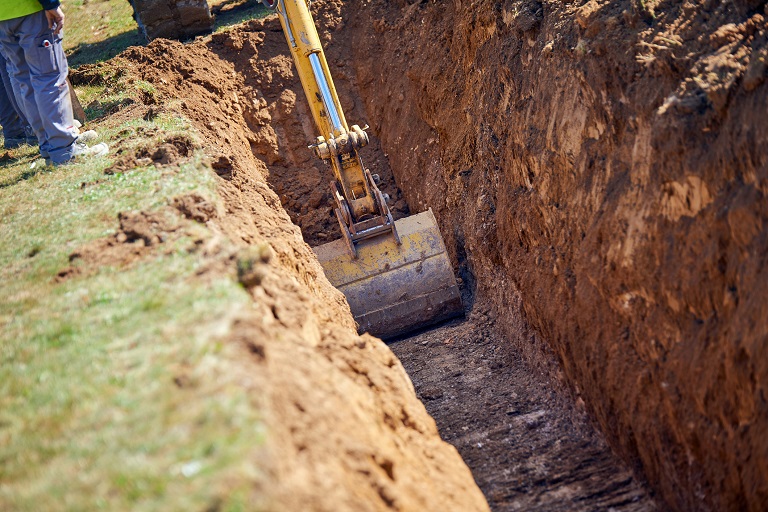
The time required to dig a 100-foot trench varies significantly depending on soil conditions and the type of equipment used. Most residential projects using walk-behind trenchers take between two and four hours for this length. Soft soil allows for faster progress, while rocky or clay-heavy ground requires more time. If you're new to operating trenching equipment, allow for additional time to learn the controls and work at a comfortable pace.

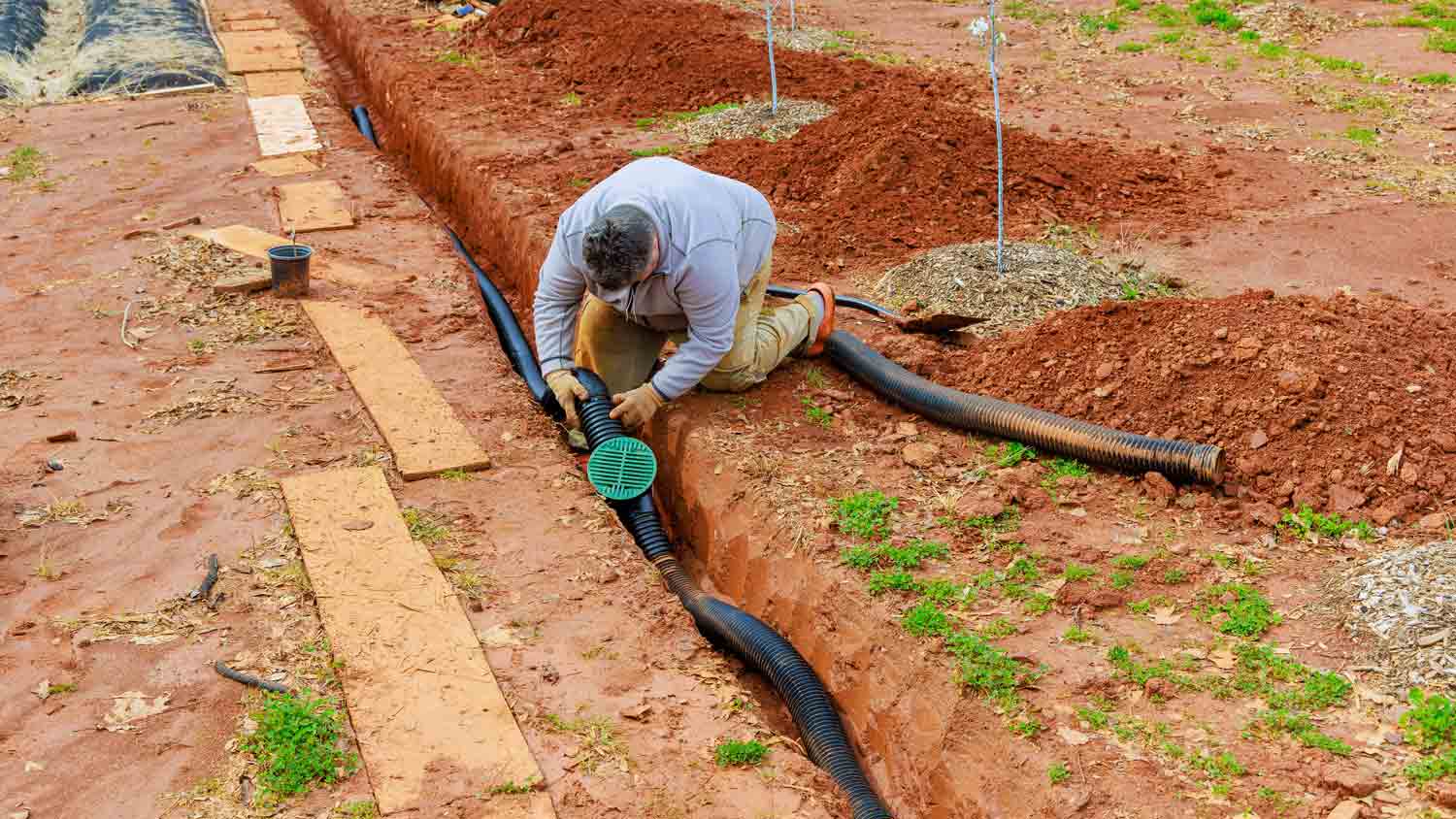
Standard trenches measure between 12 and 24 inches deep and approximately eight inches wide, which is within the capability of most walk-behind trenchers. The exact depth capacity varies by model and manufacturer. For specialized projects, such as French drain installation, an 18-inch depth is standard. Always confirm the specific depth capabilities of your rental equipment before beginning your project.

While formal certification isn't always required, basic training is highly recommended before operating trenching equipment. Most rental companies provide operational instructions and safety guidelines when you pick up the equipment. If you're uncomfortable with heavy machinery or have a particularly challenging site, consider hiring professionals. For those proceeding with DIY trenching, start slowly and practice in an open area before tackling your actual project.

For typical residential irrigation systems, a walk-behind trencher is generally sufficient. These systems require trenches between six and 12 inches deep, depending on your local frost line and system specifications. The narrow trenches produced by walk-behind models are ideal for installing standard irrigation pipes. For larger properties or particularly challenging soil conditions, consider a more powerful model.

Contact your local utility marking service before any digging project to identify underground hazards. Remove obstacles, rocks, and lawn furniture from your work area and planned trench path. Mark your intended trench line using stakes or marking paint to ensure straight, properly aligned trenches. Having a plan for soil disposal and eventual backfilling will also streamline your project and minimize rental time.

First-time operators often encounter issues with blade clogging in wet or clay-heavy soil. Hitting unmarked underground utilities can cause service disruptions and create safety hazards. Many DIYers underestimate project timelines, resulting in rushed work or additional rental days. Trench wall collapse can occur in unstable soil conditions. Following manufacturer guidelines, maintaining appropriate speeds, and thoroughly preparing your site can help avoid these common complications.

The Scott City, KS homeowners’ guide to excavation major grading or reslopings

From average costs to expert advice, get all the answers you need to get your job done.