Explore how factors such as materials, local labor rates, and the type of damage affect the cost to repair a burst pipe.

A drop ceiling is a type of secondary ceiling that is dropped down below the actual ceiling of a room, hence the name. It’s made up of ceiling tiles (made of fiberboard, foam, wood, metal, or plastic) supported by a metal grid. The space between the drop ceiling and the structural ceiling can be used to hide wiring, pipes, and HVAC ducts.
Most drop ceiling installations take about two to three days, including the time needed to build the grid frame, install it, and place each ceiling tile properly. Your installation might take more time if you need to modify plumbing, HVAC ducts, or electrical wiring to accommodate the new ceiling.
Most drop ceilings require a clearance of at least three inches from the structural ceiling, though you’ll likely need more than that to make space for pipes, ducts, lights, fans, sprinklers, or wiring. In many places, building codes require a minimum ceiling height of seven feet, which can limit the amount of clearance you’ll have between your drop ceiling and structural ceiling.
Yes, you can paint a drop ceiling, but it’s not always recommended. Painting a drop ceiling can sometimes void your warranty because using improper paint or technique can cause the tiles to sag. Paint can also negatively affect the fire resistance, soundproofing, and light reflection of the panels. Consider these downsides before taking on ceiling painting costs.
From average costs to expert advice, get all the answers you need to get your job done.

Explore how factors such as materials, local labor rates, and the type of damage affect the cost to repair a burst pipe.

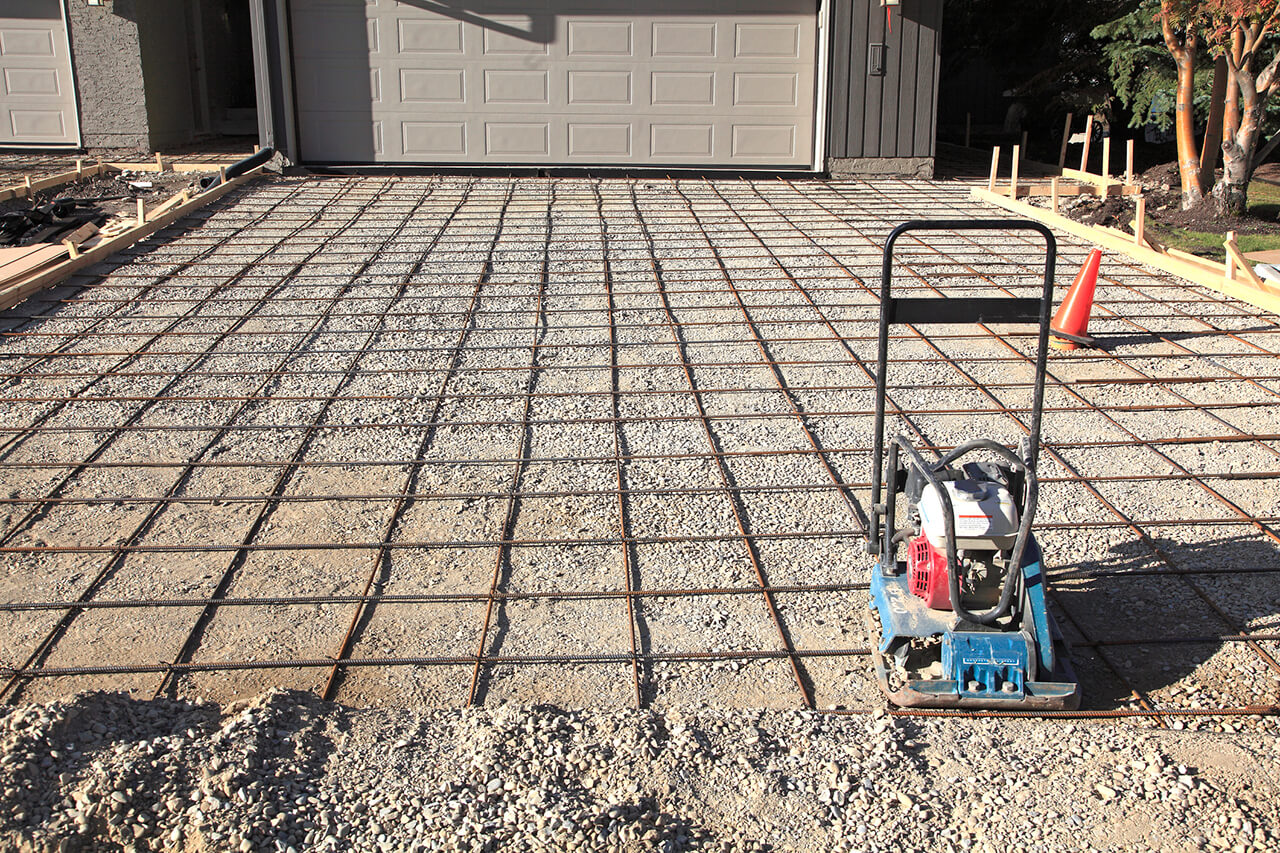
Use this guide to learn how much rebar costs per foot so you can budget for your next big home improvement project.

Discover how factors such as linear footage, local labor rates, and trim type affect the total cost of painting baseboards.

Learn how much cat or dog door installation costs based on factors like the door size, material, location, and added features.

Learn how to budget for a new fence by exploring cost factors such as the fence size, height, posts, gates, style, and labor requirements.

Budget for fence repair costs based on factors such as fence length, height, repair type, materials, ongoing maintenance, labor, and more.