Top-rated radon gas abatement pros.

Get matched with top radon gas abatement pros in Platte City, MO

Enter your zip and get matched with up to 3 pros

Matching on HomeAdvisor

Share some details icon
Share some details about your home project.
Match with local pros icon
Within moments, match with highly-rated local pros.
Compare quotes icon
Compare quotes and choose the best pro for the job.

Find Radon gas abatement pros in Platte City

Avatar for SWAT Environmental, Inc.
SWAT Environmental, Inc.
4.5(
52
)

Serving Platte City, MO and surrounding areas

In business since 1988

Free estimates

Credit card accepted

"I would definitely recommend this company to anyone!!! I hired them and the job was done nicely, Dan O'Brien was the technician who took care of the project and he did an excellent job, he answered all of my questions and explained to me everything related to Radon gas. When he finished setting everything up and the job was completed all the working area looked super clean and the installation looks just like it is part of the house and that has been there forever. This is what I call a Perfect and Complete execution of a Radon gas mitigation project."
Recommended by97%of homeowners
Redemption Environmental LLC
5.0(
2
)

Serving Platte City, MO and surrounding areas

In business since 2016

Free estimates

Credit card accepted

Radon Gone is a locally-owned Radon mitigation company serving clients in and around the Kansas City area. Radon is an invisible, odorless gas that is produced by the normal breakdown of uranium in the soil and enters our homes through cracks in the foundation, openings around sump pumps & drains, and through gaps around pipes & wires. Radon mitigation is a method used to lower the level of radon gas in our homes. If elevated radon levels were detected through radon testing and repaired, we could in theory prevent 21,000 deaths from lung cancer in the US each year. Contact us today to book an appointment!

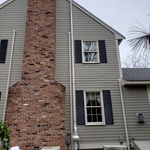
Radon Mitigation
Radon mitigation
Radon mitigation
Radon mitigation
Radon mitigation

+13

Response time30 mins
Recommended by100%of homeowners
FAQs for radon gas abatement projects in Platte City, MO

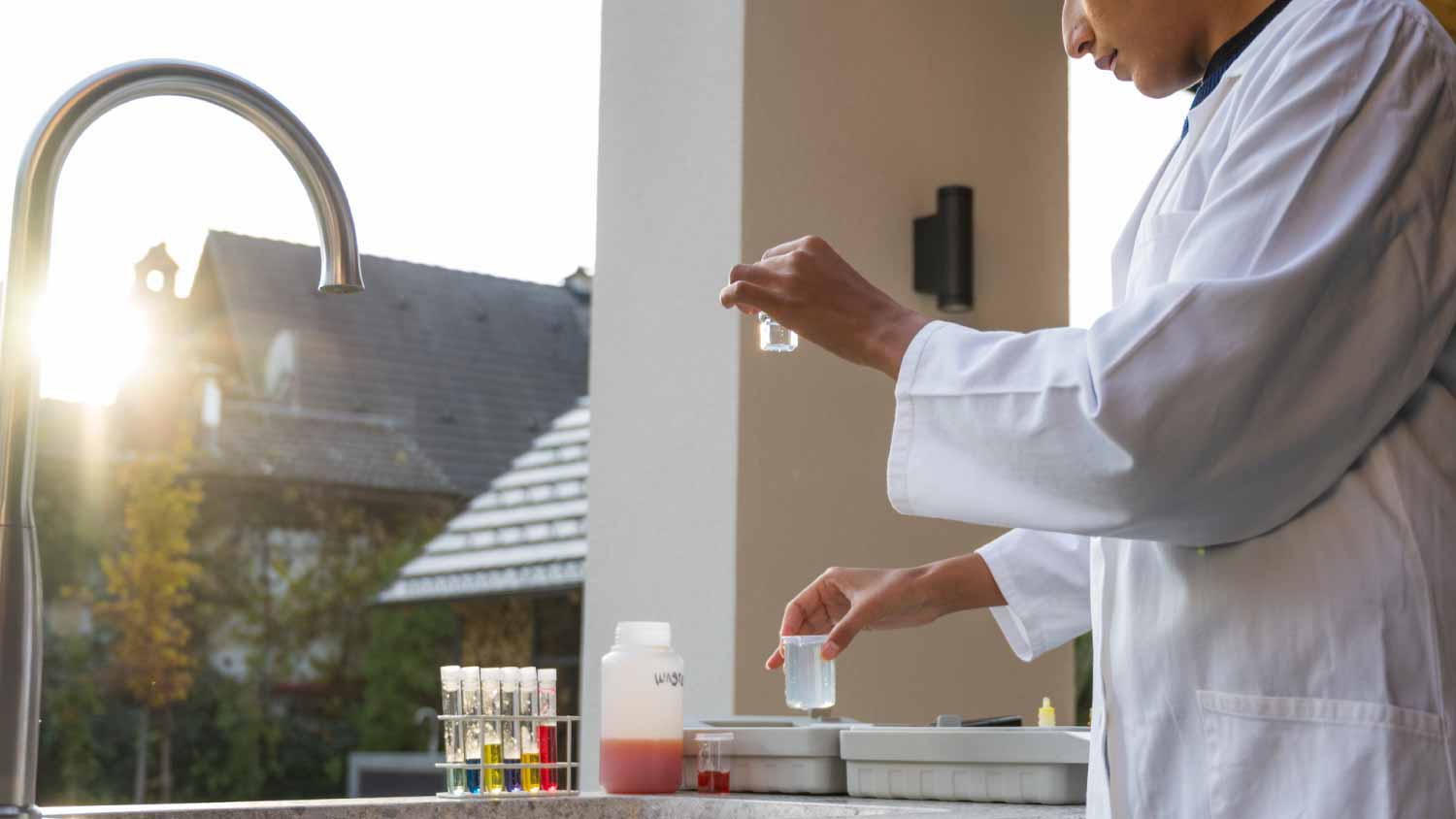
The only way to know whether your home or water supply contains radon is to schedule a professional test. A qualified radon inspector will collect samples, deliver lab-verified results, and explain the findings for $150 to $800. Once you know your exact levels, you and your radon mitigation pro can choose the right system and tackle the problem before it affects your family’s health.

Both roles tackle radon, but they focus on different steps. Inspectors test your home, interpret the results, and determine whether levels exceed EPA guidelines. Mitigation pros design and install the system that lowers those levels. Some companies do both, but the skills and equipment differ, so always verify that the person you hire is properly certified for the specific service you need.

Installing a mitigation unit fixes radon problems by reducing indoor gas levels to established safe standards. A system designed and installed by a mitigation expert, tailored to your home's specific layout and foundation, guarantees effective radon reduction. This expert installation ensures consistent performance over time while safeguarding your indoor air quality.

Open windows and doors do not reduce radon levels because they trigger a pressure imbalance that draws radon-laden air into your home. This practice fails to control radon concentration and can even worsen the issue. An active suction mitigation system provides a proven, safe, and effective solution to reliably reduce radon levels.

Radon mitigation systems generally last between 10 and 30 years, depending on system type and maintenance. Passive systems endure the longest because they have no moving parts, whereas active systems, which use a fan, require fan replacement every 5 to 10 years. System components, such as PVC pipes, seals, and fittings, can remain effective for decades when paired with periodic inspections and proper maintenance.

Radon mitigation systems consume between 300 and 3,000 kWh of electricity per year, depending on fan size and system design. On average, an active radon fan draws 100 to 300 watts continuously, which translates to roughly 876 kWh annually, and adds $30 to $300 to your energy bill each year. Choosing a high-efficiency fan and ensuring tight sealing around pipes helps minimize these ongoing costs.

The Platte City, MO homeowners’ guide to radon gas abatements

From average costs to expert advice, get all the answers you need to get your job done.