Top-rated shelter or outbuilding builders.

Get matched with top shelter or outbuilding builders in Glenwood, IA

Enter your zip and get matched with up to 3 pros

Matching on HomeAdvisor

Share some details icon
Share some details about your home project.
Match with local pros icon
Within moments, match with highly-rated local pros.
Compare quotes icon
Compare quotes and choose the best pro for the job.

Find Shelter or outbuilding builders in Glenwood

Avatar for One Stop Shop
One Stop Shop
5.0(
7
)

Serving Glenwood, IA and surrounding areas

In business since 2007

Free estimates

Emergency services offered

"Fred at One Stop Shop did an excellent job. He answered all of my questions, showed up on time, and was courteous and respectful. He was patient with my overly anxious, barking dog and priced matched my other previous quotes. He went above and beyond my needs and expectations and I will definitely recommend him to all of my family, friends and all business owners I know!"
Additional Photos
Additional Photos
Additional Photos
Additional Photos
Additional Photos

+5

Recommended by100%of homeowners
Roofs, Walls, & All
5.0(
3
)

Serving Glenwood, IA and surrounding areas

In business since 2021

Free estimates

Credit card accepted

"Preston was very professional and timely and what’s even better is he came out to Lincoln (where I reside) and built my Shed on the 4th of July and he did not charge me extra for working on a Holiday. I truly appreciate his services and my shed has made it through all of the seasons and is still standing wonderfully! I highly recommend him!"
Handymen Project
Handymen Project
Handymen Project
Handymen Project
Additional Photos

+3

Recommended by100%of homeowners
Quality Renovation
New to Angi

Serving Glenwood, IA and surrounding areas

We're a locally owned and operated company with 30+ years of industry experience. We value honesty and integrity and treat your home as if it were our own. We offer a variety of roofing services that are catered to each individual project. We specialize in roofing, siding, and a variety of other projects. We pride ourselves on the quality of our work as well as our commitment to outstanding results. We look forward to building lasting relationships and guarantee your satisfaction!

FAQs for shelter or outbuilding building service projects in Glenwood, IA

A bomb shelter is an abode built to withstand disaster. Bomb shelters may refer to a space or bunker that can protect inhabitants through a hypothetical nuclear attack, apocalypse, or any other massive crisis. People usually build bomb shelters underground and stock them to live there a few days to a month at a time. Doomsday bunkers accommodate long-term living rather than just through a short crisis.

Builders construct bomb shelters with reinforced steel, box culvert, concrete, or other durable materials (but many professionals do not recommend shipping containers, as they’re not designed to live underground. If building underground, you’ll first have to excavate land before building the actual structure. You’ll have to implement air and water filtration systems, septic systems, and power supply.

It takes a lot of experience to safely and legally construct a bomb shelter, not to mention make sure it’s fit to live in for extended periods of time. It’s best to talk to a residential structural engineer near you for proper guidance.

The current standard filtration systems require filtering both air and water. For air, you’ll want an NBC filter system, which both domestic and international producers make. NBC stands for Nuclear, Biological, and Chemical, which filters out all three. If you’re only building your shelter for natural disasters, chemical attacks, and biological attacks, you may opt for the less expensive HEPA filter system. 

Water filtration requires the same level of care. You’ll likely want to have a large water storage capacity to survive short-term disasters. For long-term living, you’ll want to have a water filtration system.

Rising S bunker prices depend on the size, ranging anywhere from $20,000 to $9 million. Their least expensive model is 96 square feet while their most expensive model has a gym, swimming pool, hot tub, and bowling alley.

  • Mini: $45,500

  • Standard Bomb Shelter: $67,500–$109,500

  • Silver Leaf: $140,000–$182,500

  • Admiral: $180,000–$500,000

  • Xtreme: $450,000–$780,000

  • Xtreme Bunker Complex: $840,000–$1,830,000

  • Luxury Series: $3,800,000–$9,600,000

You almost always need a permit to build a bunker on land with any type of public utilities running through it. You’ll want to check with your local building code enforcement agency to see if this is the case for your area. 

Because you’re building a structural component that often requires electricity, water, and sewage services, you’ll need to apply for permits to attach these utilities to your new property. However, off-grid-only units in rural areas may not need all or any of the permitting you’d normally find in more urban settings.

To survive a nuclear blast, you’ll need to have your bunker at least three feet underground. However, it’s usually advisable to put it further underground. To survive a close strike, you’ll want to have the bunker at least 10 feet down and with five-foot thick reinforced concrete. However, knowing exactly how deep to build depends on the size of the blast you’re trying to avoid. Most bunkers don’t need to be more than 5 feet below the ground. 

The Glenwood, IA homeowners’ guide to shelter or outbuilding building services

From average costs to expert advice, get all the answers you need to get your job done.

  • newly built swimming pool enclosure

    The cost to build a pool enclosure depends on the type of cover you choose and the size of your pool. Learn how to budget for this project.
  • Open door to storm cellar

    HomeAdvisor’s Bomb Shelter and Bunker Cost Guide covers all the costs of a prefabricated doomsday bunker. Find costs and find professional bunker builders near you.

  • light blue shed in a backyard

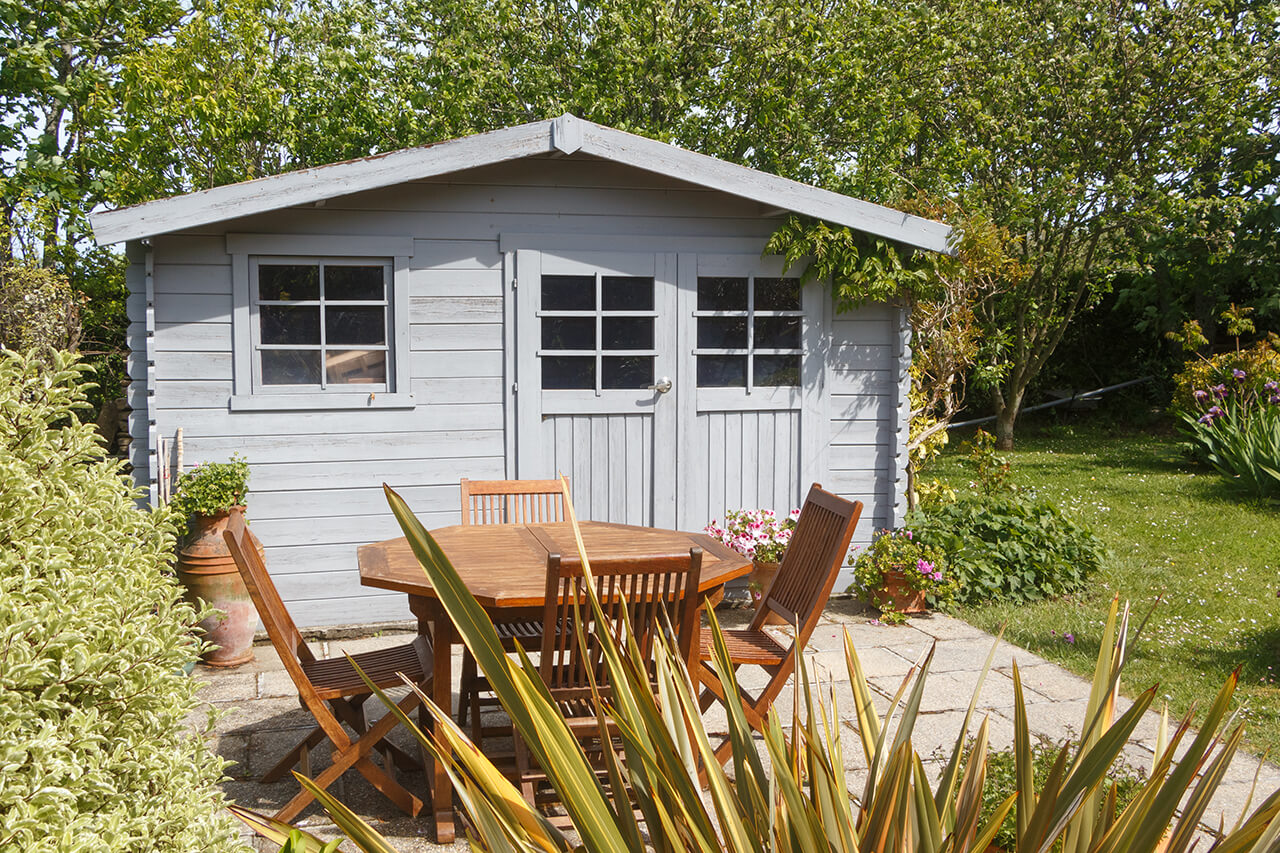
    Building a shed or playhouse comes with costs for materials, labor, and design choices. Compare DIY vs. professional installation to find the best option for your budget.