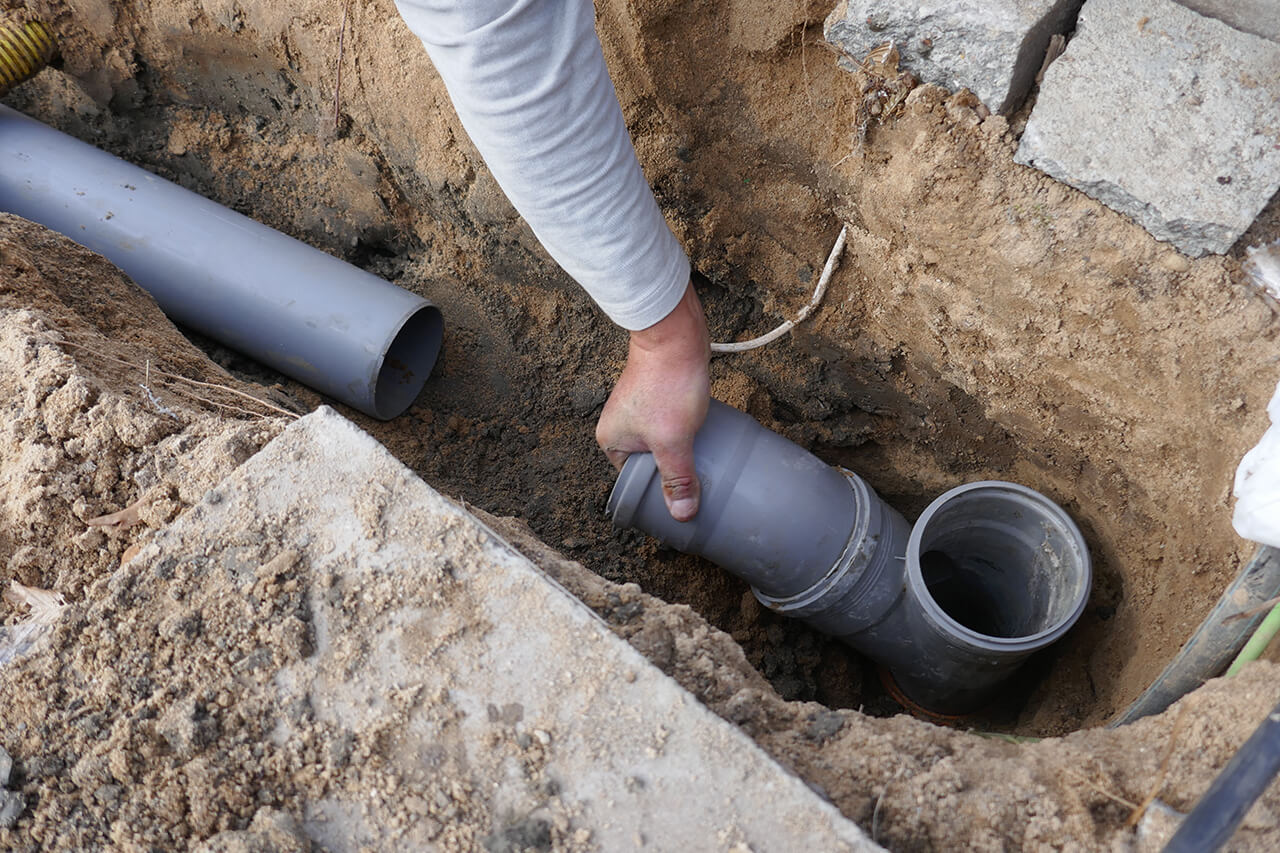
Top-rated sump pump or interior foundation drains installers.

Get matched with top sump pump or interior foundation drains installers in Jeffersonville, KY

Enter your zip and get matched with up to 3 pros

Matching on HomeAdvisor

Share some details icon
Share some details about your home project.
Match with local pros icon
Within moments, match with highly-rated local pros.
Compare quotes icon
Compare quotes and choose the best pro for the job.

Find Sump pump or interior foundation drains installers in Jeffersonville

Avatar for Fayette Heating & Air || H20 Maestro
Fayette Heating & Air || H20 Maestro
4.2(
169
)

Serving Jeffersonville, KY and surrounding areas

Angi Approved

In business since 1971

Free estimates

Emergency services offered

"BUYER BEWARE!!!!! This company is all about getting their $99.00 for the estimate, selling you an annual service fee and then quoting exuberant prices. Not really sure if they really care about doing the actual plumbing work. Recently gave me an estimate for a job of $500. Learned later after from another plumber that what they wanted to do was actually not correct AND should have cost no more than $250. Had I used Fayette Heating / H20 Mastero, I would have paid $600 for a job done incorrectly. At least the 99.00 I paid kept me from damaging my house further. There are a lot of reputable plumbers in Lexington. Suggest you look elsewhere"
40 neighbors recently requested a quote
Recommended by77%of homeowners
FAQs for sump pump or interior foundation drains installation projects in Jeffersonville, KY

Most residential pumps draw approximately 1,300 to 2,900 watts when they first start, then settle at roughly 800 to 1,050 watts during normal operation. The exact number depends on the motor’s horsepower and how often the float switch tells the pump to run. Even at the high end, the electricity cost is minor compared with the expense of cleaning up a flooded basement.

Grab a ruler and an empty 18‑inch‑wide pit. During a steady rain, time how much the water rises in one minute. Multiply that depth (in inches) by 60 to calculate gallons per hour, then add 50% for safety. If the result tops 2,100 gallons per hour—about 35 gallons a minute—you’ll need a 3/4‑horsepower unit. Anything lower, and a 1/3- or 1/2-horsepower pump should do the trick.

Loud rattling, constant cycling, or shuddering vibrations are the pump’s way of telling you it’s on its last legs. Musty smells, higher electric bills, and visible rust are other red flags. If the unit is 10 years old or older and exhibits any of these symptoms, replace it before the next heavy rain turns your basement into a wading pool.

You don’t have to hire a licensed plumber, but you should still bring in someone who installs sump pumps for a living—whether that’s a plumber, basement‑waterproofing specialist, or experienced handyman. They know the local codes, can wire the pump safely, and will test the system before they leave. Skipping professional help might void the warranty and could leave you with a pump that fails when you need it most.

Not every basement needs a pump, but if your home sits in a floodplain, has a high water table, or has ever taken on water during a storm, a sump pump is inexpensive insurance. For basements that only struggle with condensation or the occasional damp spot, sealing cracks and improving drainage may be all that is needed.

The Jeffersonville, KY homeowners’ guide to sump pump or interior foundation drains installations

From average costs to expert advice, get all the answers you need to get your job done.