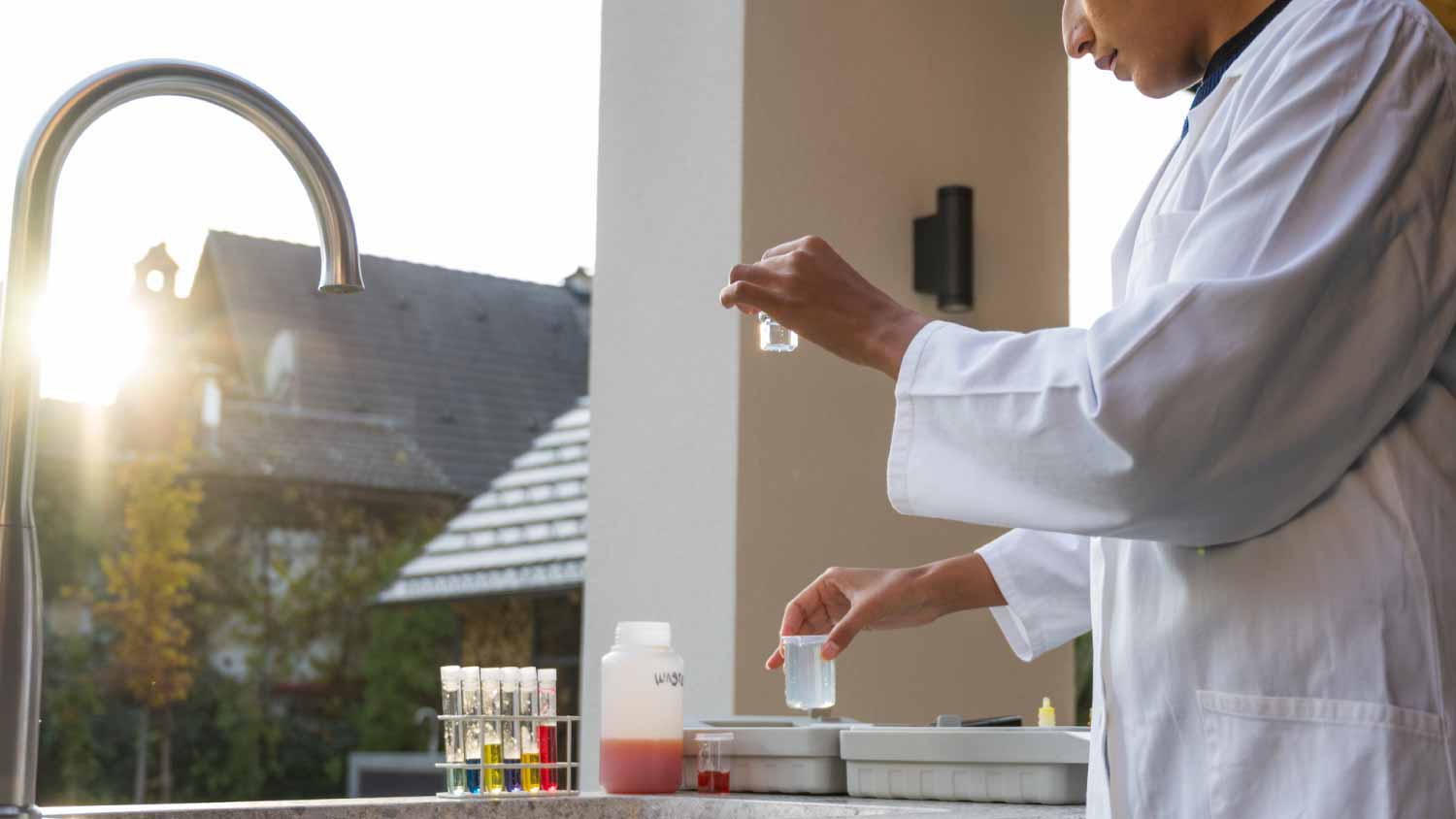
Top-rated radon gas testers.

Get matched with top radon gas testers in Spartanburg, SC

Enter your zip and get matched with up to 3 pros

Matching on HomeAdvisor

Share some details icon
Share some details about your home project.
Match with local pros icon
Within moments, match with highly-rated local pros.
Compare quotes icon
Compare quotes and choose the best pro for the job.

Find Radon gas testers in Spartanburg

Fabian's Upstate Home Inspection, LLC
4.9(
44
)

Serving Spartanburg, SC and surrounding areas

Angi Approved

In business since 2000

Free estimates

Customers say: Quality work

"I am very satisfied with Fabian s home inspection. As a first time buyer, I had a lot of questions and concerns and Fabian went beyond to answer them. He has a great communication and top-notch customer service. His report was received within one day and was very thorough."
Main Electrical Panel
A/C Condensing Unit
Attic
HVAC
Windows

+2

Response time5 hrs
Recommended by100%of homeowners
Avatar for A Healthier Home
A Healthier Home
4.8(
125
)

Serving Spartanburg, SC and surrounding areas

In business since 1977

Free estimates

Warranties offered

"This business is rip off. Don't ever hire them. They ask exorbitant amounts of money and cannot find any root cause. They do not do any thorough inspection and neither they have proper instruments to do it. Please refrain from them"
Recommended by93%of homeowners
Showing 1-10 of 32
FAQs for radon gas testing projects in Spartanburg, SC

Radon is the second leading cause of lung cancer in the U.S. The gas seeps through cracks in foundations and collects in basements and other low areas. Once you breathe it in, radioactive particles lodge in lung tissue and do long-term damage. Because you can’t see or smell radon, the EPA recommends testing your home every two years—and after major renovations—to keep your family safe.

Yes—every home should be tested. The EPA advises doing it at least every two years and any time you remodel, buy, or sell. On average, one in 15 houses nationwide sits above the recommended limit, and the only way to know where yours stands is a formal test. The equipment simply measures gas levels and won’t change your indoor environment, so the process is completely harmless.

Certified radon professionals—often home inspectors or dedicated radon mitigation contractors—handle testing. These radon testing professionals follow EPA protocols and use calibrated instruments to check levels throughout your house. Hiring a certified radon specialist means results you can trust for real estate deals, insurance requirements, and, most importantly, your family’s health.

Inspectors specialize in measuring radon gas levels, while licensed mitigation contractors design and install the systems that remove it. If your test comes back high, your inspector can point you to a qualified mitigation pro who will size and install the right fan, piping, or other equipment to bring levels down.

No—standard home air purifiers don’t touch radon. They’re built to trap dust and pollen, not radioactive gas. If testing shows high levels, you’ll need a dedicated mitigation system that vents the gas from beneath your home to the outdoors. Relying on a room purifier alone won’t keep your indoor air safe.

Opening a few windows in your home might dilute radon for a short time, but the gas seeps back in as soon as they’re closed. For a lasting fix, you’ll need a professional mitigation system—often a sub-slab depressurization fan—that pulls radon from beneath the foundation and safely vents it outside.

The Spartanburg, SC homeowners’ guide to radon gas testings

From average costs to expert advice, get all the answers you need to get your job done.