Top-rated excavation pros.

Get matched with top excavation pros in Stanley, ID

Enter your zip and get matched with up to 3 pros

Matching on HomeAdvisor

Share some details icon
Share some details about your home project.
Match with local pros icon
Within moments, match with highly-rated local pros.
Compare quotes icon
Compare quotes and choose the best pro for the job.

Find Excavation pros in Stanley

Avatar for Wild West  Excavation, LLC
Wild West Excavation, LLC
5.0(
2
)

Serving Stanley, ID and surrounding areas

In business since 2017

Free estimates

"Installed 150 road from main thoroughfare to well head. Retrenched and replaced 250 broken water line. Installed 250 underground PVC conduit for electrical Romex wiring from house to well head. All work approved by laudatory State plumbing inspector. Backfilled and resurfaced broken ground. Relocated large quantity of lava boulders and rocks. Conscientious, thorough, outstanding work!"
Response time6 hrs
Response rate87%
Recommended by100%of homeowners
Avatar for River Bound Excavation, LLC
River Bound Excavation, LLC
5.0(
1
)

Serving Stanley, ID and surrounding areas

In business since 2020

Emergency services offered

Small jobs welcome

"River bound did a amazing job and the owner John truly cared about the work being done and involved me every step of the way and finished job way under budget. I would totally recommend them to any job and to anyone thank you river bound"
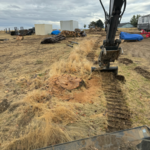
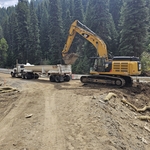
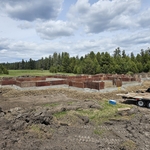
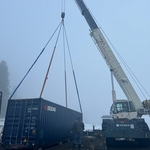
Title The Pete
Stem Walls
Off the trailer
Middleton Pond Dam
Zims Hotsprings

+18

Response time2 days

FAQs for excavation projects in Stanley, ID

Depth depends on the type of installation and the regulations in your area. Water supply lines typically require 24 inches, while drainage pipes are often installed 36 inches below grade. For most general projects, a depth of 12 to 24 inches and a width of about eight inches is sufficient. Sticking to these specs keeps your utilities safe, code-compliant, and easier to maintain later.

When you need to run utilities underground, you’ve got two main options: boring or trenching. Boring employs directional drilling to install utilities without exposing a continuous channel, while trenching requires excavating an open channel to place utilities securely. Directional drilling preserves landscape integrity, whereas trenching provides direct access for installation, albeit with greater surface disruption. This clear comparison helps you select the method best suited to your project.

Plan on 12 hours to dig 100 linear feet when the soil is cooperative and you can work continuously. This timeframe applies when work is performed consistently and methodically. Factors such as rocky soil, tree roots, obstructions, and frozen ground increase the overall duration, demanding extra planning and effort. Comprehensive operational planning ensures that every challenge is managed efficiently and the project is completed on schedule.

If you want your yard to look untouched, laying fresh sod over the trench is the quickest fix. New sod needs 30 to 45 days to root and blend with the rest of your lawn. A local sod pro can provide you with a firm timeline and tips to ensure the grass takes hold and maintains your curb appeal.

The Stanley, ID homeowners’ guide to excavation services

From average costs to expert advice, get all the answers you need to get your job done.